Author: shlokabeyondsite

  • Root Canal vs Tooth Extraction – What Should You Choose? Dentist Explains 
    Root Canal vs Tooth Extraction – What Should You Choose? Dentist Explains 

    Root Canal vs Tooth Extraction – What Should You Choose? Dentist Explains 

    Root Canal vs Tooth Extraction – What Should You Choose? Dentist Explains 

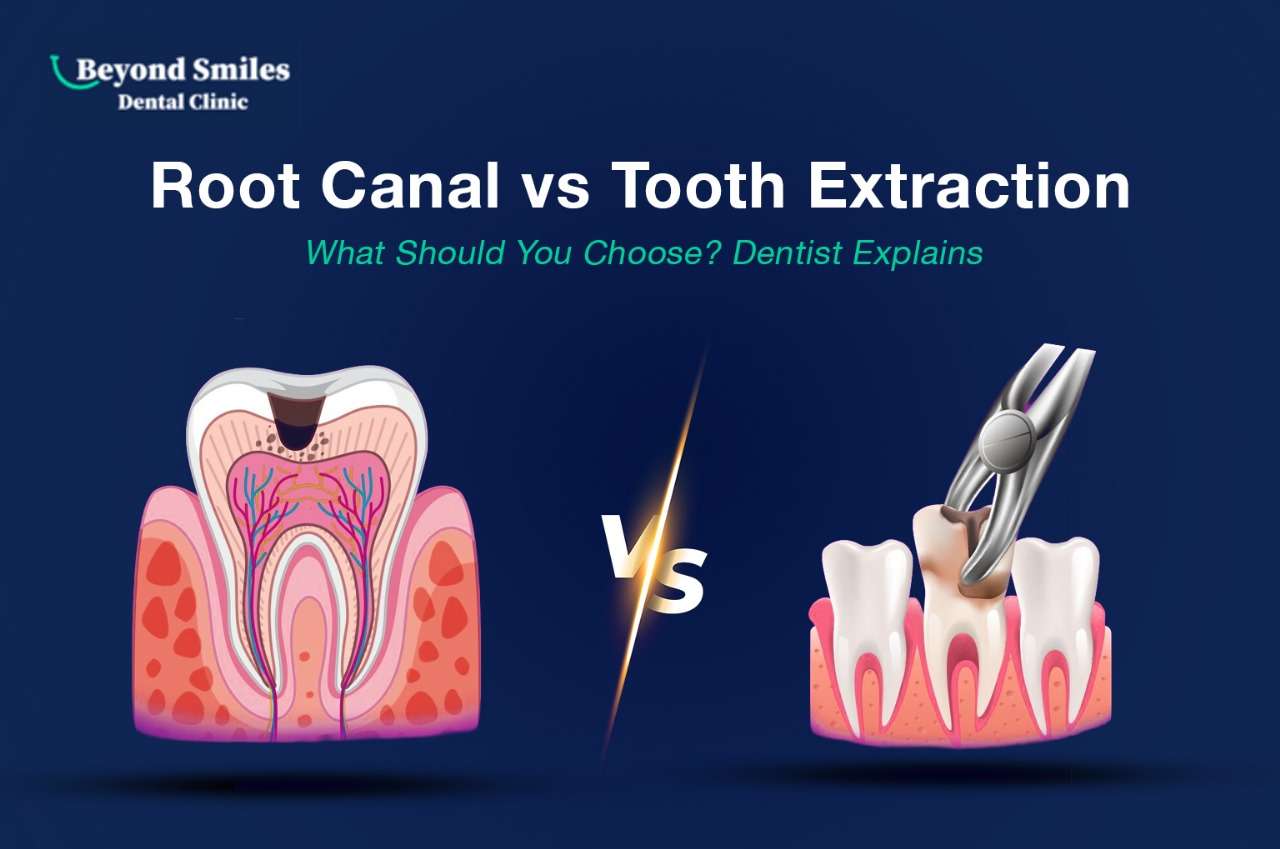
    Tooth pain can be overwhelming, and when it becomes unbearable, most adults are left choosing between two major dental treatments—root canal treatment or tooth extraction. Both options aim to get rid of pain and infection, but they work very differently and have long-term consequences for your oral health.

    In this detailed guide, we break down when a root canal is the better optionwhen extraction becomes necessary, and how to choose the right treatment for your dental condition. If you’re confused and need clarity, this dentist-approved 2025 guide will help you make an informed decision.

    Understanding Root Canal Treatment (RCT)

    root canal treatment is done when the inside of the tooth—the pulp—is infected or inflamed. Instead of removing the tooth, the dentist removes the infected pulp, cleans the canal, disinfects the tooth, and seals it. After healing, a dental crown is usually placed to restore strength and appearance.

    Benefits of Root Canal Treatment

    ✔ Saves Your Natural Tooth

    Keeping your natural tooth is always the best option for chewing, stability, and jaw health.

    ✔ Painless and Quick in 2025

    With modern rotary systems, anesthesia, and digital X-rays, root canals are comfortable and minimally invasive.

    ✔ Prevents Tooth Loss Complications

    Losing a tooth leads to shifting of nearby teeth, jawbone loss, and chewing issues.

    ✔ Cost-Effective Long Term

    Compared to dental implants or bridges, saving a tooth is more affordable and requires less complex work.

    When Dentists Recommend a Root Canal

    • Deep cavities causing infection
    • Severe tooth sensitivity
    • Facial/ gum swelling
    • Cracked or fractured tooth (if restorable)
    • Pain while chewing or biting
    • Abscess near the tooth root

    If the structure of the tooth is still strong, root canal + dental crown is the ideal solution.

    Understanding Tooth Extraction

    tooth extraction removes the tooth entirely from its socket. This is usually done when the tooth is damaged beyond saving or poses a risk to surrounding teeth.

    Benefits of Tooth Extraction

    ✔ Quick Relief from Severe Infection

    If the infection is too advanced, extraction immediately prevents it from spreading.

    ✔ Necessary When the Tooth Cannot Be Restored

    Severely broken, decayed, or fractured teeth may not be strong enough for a root canal.

    ✔ Useful for Orthodontic Cases

    In some braces or aligner treatments, extraction is needed for alignment correction.

    When Dentists Recommend Tooth Extraction

    • Tooth is broken below the gum line
    • Fractured root
    • Tooth has no supporting bone left
    • Severe gum disease
    • Failed previous root canal
    • Non-restorable condition

    In such cases, saving the tooth may not be possible.

    Root Canal vs Tooth Extraction: Detailed Comparison

    FeatureRoot Canal TreatmentTooth Extraction
    PainMinimalMinimal to mild post-op
    Time Required1–2 sittingsSingle sitting
    CostModerateLow initially
    Healing Time1–3 days7–10 days
    Chewing EfficiencyRestored completelyReduced unless replaced
    Jawbone HealthPreservedBone loss occurs
    Long-Term BenefitHighDepends on replacement

    Why Dentists Prefer Root Canal Over Extraction (When Possible)

    Dentists generally prefer saving the natural tooth because:

    1️⃣ Natural Teeth Are Stronger Than Artificial Replacements

    Even advanced dental implants cannot fully match the strength of natural root structures.

    2️⃣ Better Chewing Function

    A saved tooth allows better bite force and stability.

    3️⃣ Prevents Bone Loss

    After extraction, the jawbone in that area begins to shrink—a process called bone resorption.

    4️⃣ Maintains Natural Smile & Alignment

    Removing a tooth creates gaps that cause nearby teeth to tilt or move.

    5️⃣ More Cost-Effective Than Replacements

    Tooth replacement options like implantsbridges, or dentures cost significantly more.

    For these reasons, most dentists consider a root canal the first choice unless extraction is absolutely necessary.

    When Extraction Is the Better Choice

    Even though saving teeth is ideal, some conditions make extraction unavoidable:

    ✔ Severe decay where no tooth structure remains

    ✔ Root fractures (especially vertical fractures)

    ✔ Repeated infections even after RCT

    ✔ Teeth with poor bone support due to gum disease

    ✔ Impacted wisdom teeth causing pain or infection

    In such cases, removing the tooth is the most predictable and safe treatment.

    What Happens After Extraction?

    To avoid long-term problems, dentists usually recommend replacing the missing tooth with:

    🔹 Dental Implants – Strongest and longest-lasting

    🔹 Dental Bridges – Fixed and natural-looking

    🔹 Partial Dentures – Removable alternative

    If you do not replace the extracted tooth, you risk:

    • Jawbone shrinkage
    • Facial sagging
    • Misaligned teeth
    • Chewing difficulty
    • TMJ (jaw joint) problems

    This is why dentists emphasize planning the replacement immediately after extraction.

    Pain Comparison: Root Canal vs Extraction

    Many patients assume extractions are easier, but here’s the reality:

    📌 Root Canal

    • Local anesthesia makes it painless
    • Mild pressure felt, no sharp pain
    • Smooth recovery

    📌 Extraction

    • Also painless during the procedure
    • Post-extraction swelling & discomfort are common
    • Requires careful aftercare

    Modern dentistry ensures both procedures are safe and comfortable.

    Which Is More Affordable?

    Root Canal Cost Components:

    • Complexity
    • Tooth location
    • Need for dental crown
    • Clinic experience

    Extraction Cost Components:

    • Simple or surgical
    • Tooth position
    • Need for replacement (implants/bridges)

    While extraction appears cheaper at first, replacing a missing tooth later increases the total expense.

    So, What Should You Choose?

    ✔ Choose Root Canal if the tooth is restorable, has good structure, and can be saved.

    ✔ Choose Extraction only if the tooth is beyond repair or saving it puts your oral health at risk.

    The best decision always comes from a proper clinical evaluation including digital X-rays, OPG scans, intraoral exams, and specialist assessment.

    Trusted dental clinics in Bangalore like Beyond Smiles Dental Clinic follow a conservative approach—save the natural tooth whenever possible and recommend extraction only when absolutely necessary.

    Beyond Smiles Dentist-Recommended Care 

    Beyond Smiles Dental Clinic (Indiranagar, Koramangala, Kanakapura Road), we believe brushing is the foundation of oral health. But brushing alone may not always be enough.

    Our dental experts can help with:

    • Professional cleaning (scaling & polishing) 
    • Demonstrations of the right brushing methods for kids, braces, and seniors 
    • Advice on the best toothbrush type for your unique needs 
    • Treatment of sensitivity, gum bleeding, or enamel wear caused by brushing mistakes. 

    Find Your Nearest Beyond Smiles Clinic

    Koramangala – 6th Block Beyond Smile Dental Clinic

    Call – +91 8431493475
    Address: WJPF+285, KHB Colony, 6th Block, Koramangala, Bengaluru, Karnataka 560095

    Koramangala – 7th Block Beyond Smile Dental Clinic

    Call: +91 98867 24383

    Address: #358, 1st Floor, 1st Main Road, 7th Block, Koramangala, Bengaluru, Karnataka 560095

    Indiranagar – Beyond Smile Dental Clinic

    Call – +91 76248 65553

    Address: 285, 6th Cross Rd, near Indiranagar, Binnamangala, Hoysala Nagar, Indiranagar, Bengaluru, Karnataka 560038

    Kanakapura Road – Beyond Smile Dental Clinic

    Call – +91 98867 24383

    Address: 69, Shivaganga Spatica, 3rd Main Rd, Kanakapura Main Rd, Manjunathnagar, Raghuvanahalli, Subramanyapura, Bengaluru, Karnataka 560109

    Final Thoughts

    Every tooth is unique, and so is every dental case. While online information helps you understand the difference, only a professional dentist can guide you accurately.

    Whether it’s root canal treatmenttooth extractiondental implantstooth fillingscrowns, or wisdom tooth removal, choosing the right option ensures long-term oral health and comfort.

    If you’re experiencing tooth pain or confusion about which treatment to choose, a quick dental consultation can save you unnecessary costs, repeated infections, and future complications.

    FAQs

    1. Is a root canal better thantoothextraction?
      In most cases, dentists prefer root canal treatment because it saves your natural tooth and prevents issues like shifting teeth and bone loss. Extraction is recommended only when the tooth is beyond repair.
    2. Does a root canal hurt more than extraction?
      No. Both procedures are done under local anesthesia and are comfortable. A root canal usually has faster healing, while extraction may cause post-treatment swelling for a few days.
    3. When is tooth extraction the onlyoption?
      Extraction becomes necessary when the tooth is severely decayed, fractured below the gum line, infected repeatedly, or has poor bone support due to gum disease.
    4. Do I need a dental implant after extraction?
      Yes, replacing a missing tooth with a dental implant, bridge, or denture is important to prevent chewing issues, bone loss, and shifting teeth.
    5. How do I know if I need a root canal or extraction?
      A dentist will assess your tooth with X-rays, sensitivity tests, and clinical evaluation. Based on the remaining tooth structure and infection level, they will recommend the safest, long-term solution.
    6. Are root canals permanent?
      With a dental crown and proper oral hygiene, a root canal–treated tooth can last many years, often a lifetime.
    7. Can a badly infected tooth still be saved with a root canal?
      Yes—if the tooth structure is strong and the roots are intact. Dentists try to save the tooth whenever possible. Extraction is the last option.
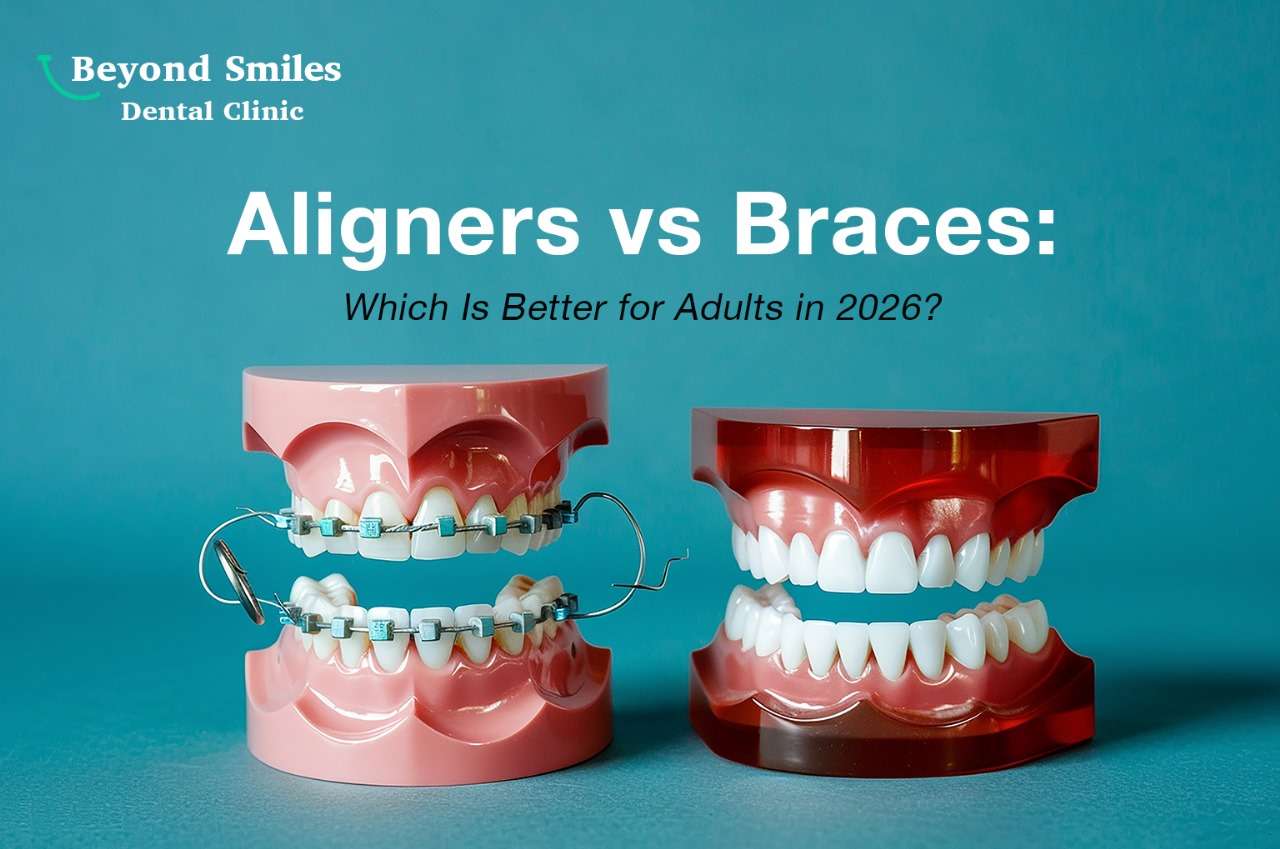
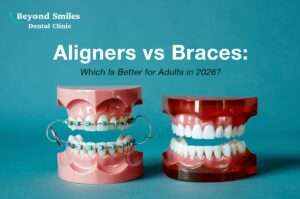
  • Aligners vs Braces: Which Is Better for Adults in 2026?

    Aligners vs Braces: Which Is Better for Adults in 2026?

    Aligners vs Braces: Which Is Better for Adults in 2026?

    Aligners vs Braces: Which Is Better for Adults in 2026?

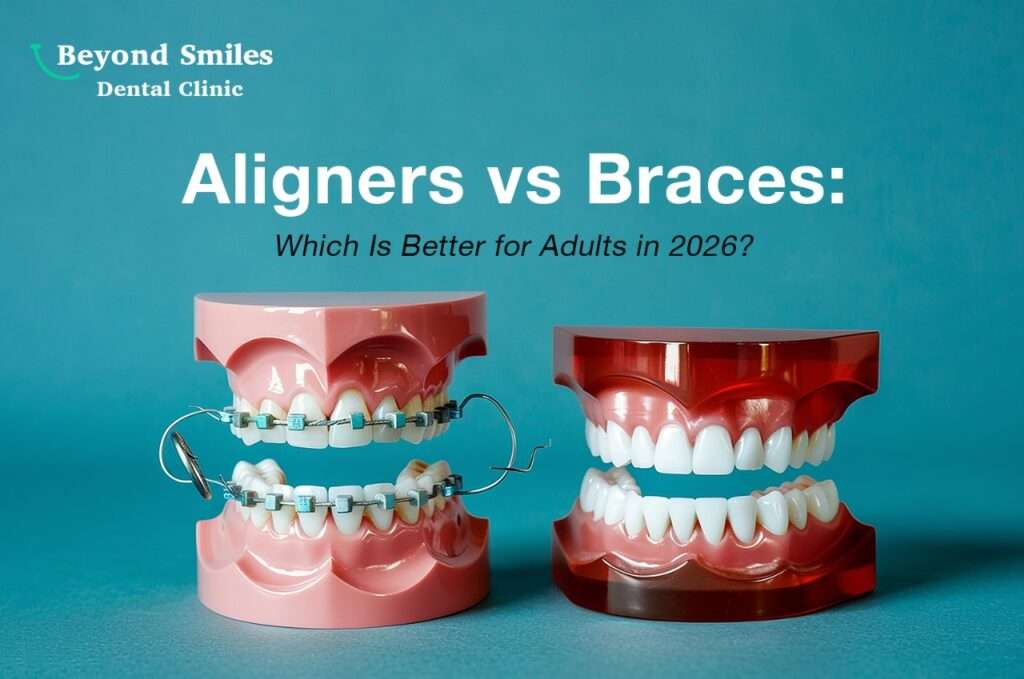
    Choosing between aligners and braces is one of the biggest decisions adults face when planning to straighten their teeth. With modern advancements in dental technology, both options have become more effective, more comfortable, and more discreet. However, the right choice depends on your lifestyle, dental concerns, and long-term expectations.

    If you’ve been considering orthodontic treatment but aren’t sure which option suits you best, this 2026 guide breaks down everything you need to know—benefits, limitations, cost factors, treatment time, and who each option is ideal for.

    Why More Adults Are Choosing Orthodontic Treatment in 2026 

    Orthodontic treatment is no longer just for teenagers. In fact, more adults in India and globally are opting for smile correction due to:

    • Increased awareness of aesthetics
    • Need for professional confidence
    • Online meetings & social visibility
    • Advances like 3D scans, digital planning & painless orthodontics
    • Comfortable and faster treatments compared to the past

    Dental clinics in Bangalore, especially technology-driven ones like Beyond Smiles, have seen a significant rise in adult orthodontic cases because of flexible options and personalised treatment plans.

    What Are Aligners? (Clear Aligners Explained) 

    Clear aligners are transparent, removable trays that gradually move your teeth into alignment. They are custom-made using 3D scans and digital simulations, ensuring high accuracy and comfort.

    Benefits of Clear Aligners for Adults 

    • Almost Invisible
      The biggest reason adults prefer aligners is their discreet appearance. They blend with your natural teeth and are barely noticeable.

    • Removable & Convenient
      Aligners can be removed while:
      • Eating
      • Brushing
      • Social events
      • Meetings or photos

      This makes oral hygiene significantly easier compared to braces.

    • More Comfortable Than Braces
      No metal brackets or wires = no poking, scratching, or ulcers.

    • Predictable Digital Results
      Clinics use digital scanners and AI-based treatment planning to show your final smile even before starting the treatment.

    • Fewer Clinic Visits
      Perfect for adults with busy schedules.

      Limitations of Aligners 

      • Not ideal for very severe bite issues
      • Requires discipline (must be worn 20–22 hours/day)
      • Lost aligners may delay treatment


    What Are Braces? 

    Braces use brackets and wires to move teeth into their correct position. Modern braces are far more comfortable and aesthetic compared to older versions.


    Types of Braces Available in 2026 

    • Metal Braces (strongest & most efficient)
    • Ceramic Braces (tooth-coloured for better aesthetics)
    • Self-Ligating Braces (faster, less friction, fewer visits)
    • Lingual Braces (placed behind the teeth for invisibility)


    Benefits of Braces for Adults 

    1. Suitable for All Complex Cases
      Braces can correct:
      • Severe crowding
      • Deep bites
      • Open bites
      • Jaw alignment issues
      • Tooth rotations

    2. No Discipline Needed
      You don’t have to remember to wear or remove anything—braces work 24/7.

    3. Faster for Certain Corrections
      Some bite corrections respond faster to braces than to aligners.


    Limitations of Braces 

    • Visible (except lingual braces)
    • Harder to clean
    • Dietary restrictions (avoid hard & sticky foods)
    • Occasional discomfort during wire adjustments


    Aligners vs Braces: Key Comparison for Adults in 2026 

    FactorAlignersBraces
    VisibilityNearly invisibleVisible (ceramic less visible)
    ComfortVery comfortableModerate
    RemovabilityYesNo
    Oral HygieneEasy to maintainRequires careful cleaning
    Treatment for Complex CasesMild–moderateMild–severe
    Lifestyle FitBest for working professionalsGood for those okay with fixed appliances
    Clinic VisitsLess frequentMore frequent
    CostModerate–HighModerate–Varies


    Which Is Better for Adults? 

    The best choice depends on three major factors:

    1. Your Dental Issue Severity
      • Mild to moderate crowding: Aligners
      • Severe misalignment or bite issues: Braces
      • Rotations or vertical tooth movement needed: Braces work better

    2. Your Lifestyle
      If you attend meetings, presentations, events, or prefer something invisible, aligners are ideal.

      If you want a no-maintenance, fixed solution, braces are suitable.

    3. Your Budget
      Both options vary depending on:
      • Number of trays or adjustments
      • Case complexity
      • Clinic experience
      • Technology used

      Clinics with advanced orthodontic systems (3D scans, OPG, digital simulations) generally provide more accurate results—something adults prefer.

    Why Adults in Bangalore Prefer Clear Aligners in 2026 

    Bangalore’s tech-savvy crowd prioritises convenience, aesthetics, and digital planning.

    Clear aligners are especially popular among:

    • Working professionals
    • Entrepreneurs
    • Corporate employees
    • Public-facing roles
    • Brides/grooms preparing for weddings

    With clinics offering EMI options and advanced aligner systems, the treatment has become accessible and affordable.


    Expert Recommendation: What Dentists Usually Suggest 

    Most dentists follow a simple rule:

    👉 If a patient’s case can be corrected with aligners without compromising results, aligners are recommended first.

     👉 If the case requires precision movements or complex bite correction, braces are the better choice.

    The goal is long-term stability and a natural-looking smile.


    Why Choose a Professional Dental Clinic for Orthodontic Treatment 

    For best results, orthodontic treatment should always be planned by an experienced dentist using:

    • Digital scans
    • OPG/X-ray
    • Treatment simulations
    • Regular monitoring

    Clinics like Beyond Smiles Dental Clinic combine modern orthodontic technology with personalised treatment plans, making them a preferred choice for adult orthodontics in Bangalore. Their approach focuses on comfort, aesthetics, and long-term results—ideal for working adults seeking reliable and discreet smile correction.


    Final Verdict: Aligners or Braces? 

    There is no one-size-fits-all answer.

     But here’s the simple conclusion:

    • Choose Aligners if you want something invisible, comfortable, and lifestyle-friendly.
    • Choose Braces if you need major corrections or want a fixed, high-precision solution.

    A consultation with a dental expert is the best way to understand which option suits you. With advanced diagnostics and personalised guidance, you can begin your smile transformation confidently in 2026.


    Beyond Smiles Dentist-Recommended Care 

    Beyond Smiles Dental Clinic (Indiranagar, Koramangala, Kanakapura Road), we believe brushing is the foundation of oral health. But brushing alone may not always be enough.

    Our dental experts can help with:

    • Professional cleaning (scaling & polishing)
    • Demonstrations of the right brushing methods for kids, braces, and seniors
    • Advice on the best toothbrush type for your unique needs
    • Treatment of sensitivity, gum bleeding, or enamel wear caused by brushing mistakes.


    Find Your Nearest Beyond Smiles Clinic

    Koramangala – 6th Block Beyond Smile Dental Clinic

    Call – +91 8431493475
    Address: WJPF+285, KHB Colony, 6th Block, Koramangala, Bengaluru, Karnataka 560095

    Koramangala – 7th Block Beyond Smile Dental Clinic

    Call: +91 98867 24383

    Address: #358, 1st Floor, 1st Main Road, 7th Block, Koramangala, Bengaluru, Karnataka 560095

    Indiranagar – Beyond Smile Dental Clinic

    Call – +91 76248 65553

    Address: 285, 6th Cross Rd, near Indiranagar, Binnamangala, Hoysala Nagar, Indiranagar, Bengaluru, Karnataka 560038

    Kanakapura Road – Beyond Smile Dental Clinic

    Call – +91 98867 24383

    Address: 69, Shivaganga Spatica, 3rd Main Rd, Kanakapura Main Rd, Manjunathnagar, Raghuvanahalli, Subramanyapura, Bengaluru, Karnataka 560109


    Conclusion 

    Brushing may feel routine, but the right technique and toothbrush can make the difference between a healthy smile and dental problems. Avoid common mistakes, use dentist-approved methods, and choose a brush that fits your needs.
    And remember — brushing is just the first step. Regular dental visits ensure that hidden problems don’t compromise your oral health.

  • Top 5 Common Dental Problems in Children | How to Prevent Them 

    Top 5 Common Dental Problems in Children | How to Prevent Them 

    Top 5 Common Dental Problems in Children | How to Prevent Them 

    Top 5 Common Dental Problems in Children | How to Prevent Them 

    A child’s smile is one of life’s greatest joys — but maintaining it requires more than just brushing twice a day. Children’s oral health needs are unique and evolve as they grow.

    Unlike adults, kids face specific dental challenges linked to their diet, habits, and developing teeth, making preventive dental care absolutely essential.

    As a parent, you might have wondered:

    “Are those cavities in baby teeth really a big deal?”

     “Do milk teeth even need dental treatment?”

     “How can I prevent my child’s dental issues before they start?”

    You’re not alone.

    In this article, we’ll explore the top five most common dental problems in children — why they occur, how to prevent them, and when to visit a pediatric dentist.

    Because a healthy smile in childhood sets the foundation for lifelong confidence and wellness.

    Why Children’s Dental Health Deserves Special Attention

    Children’s teeth are softer, gums are more sensitive, and their eating habits (hello, chocolates and juices!) often make them prone to decay.

     More importantly, issues in baby teeth can affect the alignment, speech, and health of their permanent teeth later on.

    That’s why pediatric dentistry — specialized dental care for kids — focuses not only on treatment but also on education, prevention, and positive dental habits.

    Early dental care can:

    • Prevent tooth decay and infections
    • Support jaw and speech development
    • Build lifelong healthy habits
    • Reduce fear and anxiety toward dental visits

    Top 5 Common Dental Problems in Children (and How to Prevent Them)

    Let’s look at the most frequent dental problems kids face and how parents can protect those growing smiles.

    1. Tooth Decay (Cavities)
      The problem:

       Tooth decay — or dental caries — is the most common childhood dental problem worldwide. It happens when bacteria feed on leftover food and sugar, producing acids that erode the tooth’s enamel.

      Kids who snack frequently on sugary foods, drink sweetened beverages, or skip brushing are at the highest risk.

      Signs to watch for:

      • White or brown spots on teeth
      • Tooth sensitivity or pain while eating
      • Bad breath

      Prevention tips:

      • Encourage your child to brush twice a day with fluoride toothpaste.
      • Limit sugary snacks and juices between meals.
      • Schedule dental check-ups every six months.
      • Ask your dentist about fluoride varnish or sealants — protective coatings that prevent decay.

      Pro Tip: Even baby teeth matter! Cavities in milk teeth can cause pain, infection, and misalignment of permanent teeth later.

    2. Gum Disease (Gingivitis)
      The problem:
      – Gum disease isn’t just an adult concern — it can affect children too.
      – Poor brushing and plaque buildup can irritate the gums, causing redness, swelling, and bleeding.

      Signs to watch for:

      • Puffy, red, or bleeding gums
      • Bad breath that doesn’t go away
      • Receding gums or discomfort when brushing

      Prevention tips:

      • Teach your child proper brushing and flossing techniques.
      • Encourage a balanced diet with fruits, vegetables, and whole grains.
      • Schedule professional dental cleanings to remove plaque and tartar.

      Did you know?

      Mild gingivitis in children can be completely reversed with early care — but if ignored, it can progress to more serious gum infections later.

    3. Thumb Sucking and Pacifier Habits
      The problem:

      While thumb sucking and pacifiers are common in infants, prolonged habits (beyond age 3–4) can lead to bite misalignment, speech issues, or open bites.

      Signs to watch for:

      • Teeth that tilt forward
      • Changes in bite pattern
      • Speech delay or tongue thrusting

      Prevention tips:

      • Gently discourage thumb sucking as your child grows.
      • Offer comfort alternatives — a soft toy, bedtime story, or praise.
      • Avoid scolding or forcing; positive reinforcement works best.
      • Visit a pediatric dentist if the habit continues beyond age four.

      Expert Insight: Pediatric dentists can use behavior modification techniques and special appliances to correct oral habits safely and gently.

    4. Tooth Sensitivity
      The problem:

      Children may experience tooth sensitivity due to enamel erosion, tooth grinding, or new teeth erupting. Sensitivity can make eating or drinking hot/cold foods uncomfortable.

      Signs to watch for:

      • Complaints of pain when eating ice cream or cold drinks
      • Avoiding brushing due to discomfort

      Prevention tips:

      • Use a soft-bristle toothbrush and gentle circular motions.
      • Avoid excessive use of acidic foods and drinks (like citrus and soda).
      • Consult your dentist for sensitivity toothpaste or fluoride treatment.
      • Address habits like tooth grinding (bruxism) early.

      Tip for Parents:

       Children who grind their teeth (especially during sleep) may benefit from a custom night guard made by a pediatric dentist.

    5. Dental Trauma (Broken or Knocked-Out Teeth)
      The problem:
      Active kids + sports + playground fun = occasional accidents.
      Falls or sports injuries can cause chipped, broken, or even knocked-out teeth — both in baby and permanent teeth.

      What to do immediately:

      • Stay calm and find the tooth (if it’s permanent).
      • Hold it by the crown (not the root) and rinse gently.
      • Try to place it back in the socket or store it in milk.
      • See a dentist within 30 minutes for the best chance of saving the tooth.

      Prevention tips:

      • Use mouthguards during sports.
      • Childproof play areas at home.
      • Teach safe play habits.

      Pro Tip: Even a minor chip can affect tooth growth — always get trauma checked by a pediatric dentist.

    Building Good Dental Habits Early

    Preventing dental problems isn’t about restriction — it’s about routine and awareness.

     Here’s how parents can help their kids build strong oral hygiene habits:

    • Brush twice daily under supervision until age 7–8.
    • Use a pea-sized amount of fluoride toothpaste.
    • Floss daily once teeth begin to touch.
    • Encourage rinsing after meals.
    • Reward consistency — make brushing fun with songs, timers, or stickers.

    Nutrition matters too:

    Reduce sticky sweets, limit fruit juices, and include foods rich in calcium and vitamin D for stronger teeth and gums.

    Why Early Dental Visits Matter

    The first dental visit should ideally happen by your child’s first birthday or within six months of the first tooth erupting.

     Early visits help:

    • Identify developmental issues early
    • Prevent cavities and gum disease
    • Build comfort and trust with the dentist

    Children who start dental visits early are far less likely to develop dental anxiety or need emergency treatments later in life.

    Beyond Smiles Dental Clinic — Gentle, Expert Pediatric Dental Care in Bangalore

    At Beyond Smiles Dental Clinic, we understand that children’s dental care is not just about fixing teeth — it’s about creating positive dental experiences that last a lifetime.

    Our pediatric-friendly environment and experienced dentists ensure that every child feels safe, calm, and cared for.

    We specialize in preventive care, cavity treatment, habit counseling, fluoride applications, and emergency dental care for children — all under one roof.

    Why Parents Trust Beyond Smiles for Pediatric Dentistry

    • 👩‍⚕️ Specialized Expertise: Our dentists are skilled in child behavior management and gentle treatment techniques.
    • 🧸 Kid-Friendly Environment: Bright, welcoming spaces designed to reduce fear and anxiety.
    • 🦷 Comprehensive Care: From preventive check-ups to restorations and habit correction, we handle every stage of your child’s dental growth.
    • 🪄 Focus on Prevention: We educate parents and children on maintaining oral hygiene at home.
    • 🕒 Flexible Scheduling: Weekend and evening appointments to suit busy families.

    Whether it’s your child’s first visit or a follow-up, Beyond Smiles ensures a gentle, fun, and stress-free experience — making your little one love visiting the dentist.

    Nearest Beyond Smiles Clinic
    Koramangala – 6th Block Beyond Smile Dental Clinic

    Call – +91 8431493475
    Address: WJPF+285, KHB Colony, 6th Block, Koramangala, Bengaluru, Karnataka 560095

    Koramangala – 7th Block Beyond Smile Dental Clinic

    Call: +91 98867 24383

    Address: #358, 1st Floor, 1st Main Road, 7th Block, Koramangala, Bengaluru, Karnataka 560095

    Indiranagar – Beyond Smile Dental Clinic

    Call – +91 76248 65553

    Address: 285, 6th Cross Rd, near Indiranagar, Binnamangala, Hoysala Nagar, Indiranagar, Bengaluru, Karnataka 560038

    Kanakapura Road – Beyond Smile Dental Clinic

    Call – +91 98867 24383

    Address: 69, Shivaganga Spatica, 3rd Main Rd, Kanakapura Main Rd, Manjunathnagar, Raghuvanahalli, Subramanyapura, Bengaluru, Karnataka 560109

    When to See a Pediatric Dentist

    Book an appointment if your child:

    • Complains of tooth pain or sensitivity
    • Has swollen or bleeding gums
    • Has cavities or visible stains
    • Has trouble chewing or speaking
    • Sucks thumb or uses pacifiers beyond age 4

    Early detection and intervention prevent long-term issues and ensure your child’s smile stays bright and healthy.

    Key Takeaway

    Children’s dental problems are common but entirely preventable with the right care, habits, and guidance.

    Regular check-ups, balanced nutrition, and professional pediatric dental care are the foundation of lifelong oral health.

    A little prevention today can save your child from major discomfort tomorrow — and help them smile with confidence.

  • How Does Diabetes Affect Dental Implant Treatment? 

    How Does Diabetes Affect Dental Implant Treatment? 

    How Does Diabetes Affect Dental Implant Treatment? 

    How Does Diabetes Affect Dental Implant Treatment? 

    Dental implants are a life-changing solution for missing teeth — offering a natural look, strong bite, and lasting confidence. But if you have diabetes, you might wonder:

     “Can I still get dental implants safely?”

    The good news is yes, you can.

     However, diabetes can influence how your body heals and responds to surgery, which means careful planning and expert care are essential.

    This detailed guide explains how diabetes affects dental implant treatment, what challenges may occur, and how you can still achieve a healthy, confident smile with the right precautions and professional support.

    Understanding the Link Between Diabetes and Oral Health

    Diabetes affects more than just blood sugar — it impacts your mouth too. Elevated glucose levels can reduce your body’s ability to fight bacteria and heal after surgery. This increases the risk of infections and delays recovery following dental procedures.

    People with uncontrolled diabetes often face:

    • Slower wound healing
    • Weakened gum tissue
    • Increased infection risk
    • Higher rates of bone loss

    These factors make proper blood sugar control and oral hygiene vital before and after a dental implant procedure.

    Can Diabetic Patients Get Dental Implants?

    Absolutely.

     Research shows that patients with well-controlled diabetes have implant success rates similar to non-diabetic individuals. The key lies in maintaining stable blood sugar levels and working with a dentist who understands the nuances of diabetic care.

    If your HbA1c (average blood sugar over 3 months) is under 7%, you’re usually a good candidate for dental implants. On the other hand, poorly controlled diabetes (above 8%) may lead to complications such as infection or delayed healing.

    How Diabetes Affects Dental Implant Treatment

    Let’s look at how diabetes can impact different stages of the dental implant process:

    1. Slower Healing
      Implants require your bone to fuse with the titanium post (osseointegration).
      High blood sugar slows this process, leading to longer healing times and a higher chance of early implant movement or failure.
    2. Higher Risk of Infection
      Diabetes weakens immune response, making the gums more prone to bacterial infection.
       If not properly managed, this can cause peri-implantitis — an inflammatory condition that can damage the bone supporting your implant.
    3. Bone and Gum Health Issues
      Long-term diabetes may lead to periodontal (gum) disease and bone resorption.
       If bone density is low, your dentist might suggest a bone graft before placing the implant to ensure stability.
    4. Delayed Osseointegration
      In diabetic patients, the process of bone integration may take longer.
      This means your dentist might extend the healing phase before attaching the crown to ensure full implant stability.

    How to Improve Dental Implant Success with Diabetes

    If you have diabetes, these steps can significantly boost your implant success rate:

    1. Keep Your Blood Sugar Under Control
      Aim for HbA1c below 7% before surgery. Stable glucose levels help your body heal faster and lower the chance of infection.
      Consult your doctor about medication adjustments or dietary changes leading up to the implant procedure.
    2. Choose an Experienced Implant Dentist
      Working with a dentist who has experience treating diabetic patients makes all the difference.
       They’ll plan your treatment with consideration to your health, healing capacity, and post-operative needs.
    3. Get a Comprehensive Pre-Surgical Evaluation
      Before implant surgery, your dentist will assess:
      • Blood sugar and HbA1c levels
      • Bone density (via X-rays or 3D scans)
      • Gum health and infection signs
      • Your current medications

      This ensures that your body and mouth are both ready for a successful procedure.

    4. Prioritize Oral Hygiene
      Diabetes can increase plaque buildup and gum inflammation, so extra care is needed.
       Brush twice daily, floss gently, and use an antibacterial mouthwash. Regular professional cleanings also prevent infection around the implant.
    5. Quit Smoking
      Smoking restricts blood flow to your gums, doubles the risk of implant failure, and delays healing — especially for diabetic patients. If you smoke, it’s best to quit before surgery.
    6. Follow Post-Operative Instructions Diligently
      After surgery:
      • Stick to soft foods for the first few days
      • Avoid alcohol and tobacco
      • Take all prescribed medications
      • Attend follow-up appointments regularly

      Even minor neglect can cause infection or delay healing.

    7. Stay Active and Eat Balanced Meals
      Proper nutrition supports healing. Include:
      • Vitamin C for tissue repair
      • Calcium & Vitamin D for bone strength
      • Lean proteins for recovery

      Exercise moderately to help stabilize your blood sugar and improve circulation.

    What to Expect During Dental Implant Treatment

    For diabetic patients, the implant process typically involves:

    1. Initial Consultation – Health assessment and blood sugar review.
    2. Treatment Planning – Customized approach based on bone and gum condition.
    3. Implant Placement – Titanium post surgically placed under local anesthesia.
    4. Healing Phase (3–6 months) – Bone integrates with implant (longer if diabetic).
    5. Crown Placement – Once stable, the final restoration is fitted.
    6. Ongoing Maintenance – Regular dental visits ensure long-term success.

    Beyond Smiles Dental Clinic: Diabetes-Friendly Implant Expertise in Bangalore

    If you’re a diabetic patient considering dental implants, choosing the right clinic is essential for safety and long-term success.

     At Beyond Smiles Dental Clinic, our approach combines advanced implant technology, personalized treatment planning, and comprehensive diabetic care protocols to ensure the best possible outcomes.

    Why Patients with Diabetes Trust Beyond Smiles

    • 👩‍⚕️ Experienced Implant Specialists: Our dentists have extensive experience treating patients with diabetes and understand how to manage healing and infection risk effectively.
    • 🦷 Advanced 3D Imaging & Planning: We use CBCT scans and guided surgery for precise, minimally invasive implant placement.
    • 💉 Medical Coordination: We collaborate with your physician to monitor your blood sugar and overall health throughout the treatment.
    • 🧼 Infection-Controlled Environment: Strict sterilization and post-surgical protocols ensure a safe recovery.
    • 💬 Patient-Centered Care: We educate every patient on oral hygiene, diet, and healing habits — because successful implants begin with good understanding.

    Whether you need a single implant or full-mouth restoration, Beyond Smiles ensures safe, confident, and diabetes-friendly dental implant treatment in Bangalore.

    Nearest Beyond Smiles Clinic

    Koramangala – 6th Block Beyond Smile Dental Clinic

    Call – +91 8431493475
    Address: WJPF+285, KHB Colony, 6th Block, Koramangala, Bengaluru, Karnataka 560095

    Koramangala – 7th Block Beyond Smile Dental Clinic

    Call: +91 98867 24383

    Address: #358, 1st Floor, 1st Main Road, 7th Block, Koramangala, Bengaluru, Karnataka 560095

    Indiranagar – Beyond Smile Dental Clinic

    Call – +91 76248 65553

    Address: 285, 6th Cross Rd, near Indiranagar, Binnamangala, Hoysala Nagar, Indiranagar, Bengaluru, Karnataka 560038

    Kanakapura Road – Beyond Smile Dental Clinic

    Call – +91 98867 24383

    Address: 69, Shivaganga Spatica, 3rd Main Rd, Kanakapura Main Rd, Manjunathnagar, Raghuvanahalli, Subramanyapura, Bengaluru, Karnataka 560109

    Advantages of Dental Implants for Diabetic Patients

    Despite potential challenges, dental implants can offer numerous benefits:

    • Enhanced chewing ability, allowing you to enjoy healthy meals.
    • Prevention of bone loss caused by missing teeth.
    • Improved speech and confidence.
    • Better oral stability than dentures.
    • Long-term investment — implants can last decades with proper care.

    Plus, by improving chewing and nutrition, dental implants may indirectly help with better blood sugar management too.

    Frequently Asked Questions

    1. Are dental implants safe for diabetic patients?
      Yes. Dental implants are safe for diabetic patients with well-controlled blood sugar. The key is careful monitoring and working with an experienced implantologist.
    2. How long does it take for implants to heal in diabetics?
      Healing can take slightly longer — typically 4 to 6 months — depending on your blood sugar stability and bone health.
    3. What if my bone is weak due to diabetes?
      Your dentist might recommend bone grafting or sinus lift procedures before placing the implant to strengthen the jawbone.
    4. How can I prevent implant failure?
      Keep your diabetes under control, maintain excellent oral hygiene, quit smoking, and attend regular follow-up visits with your dentist.
    5. How much do dental implants cost in Bangalore?
      The cost varies depending on the number of implants, type of restoration, and technology used. It’s best to consult with a trusted clinic like Beyond Smiles Dental Clinic for a personalized treatment plan.

    Final Thoughts

    Having diabetes doesn’t mean you have to give up on a confident smile.

     With proper medical management, good oral hygiene, and expert guidance, dental implants can be just as successful in diabetic patients as in anyone else.

    If you’re looking for a clinic that understands both dental health and diabetic care, visit Beyond Smiles Dental Clinic — where advanced technology, safety, and patient comfort come together to restore your smile beautifully and safely.

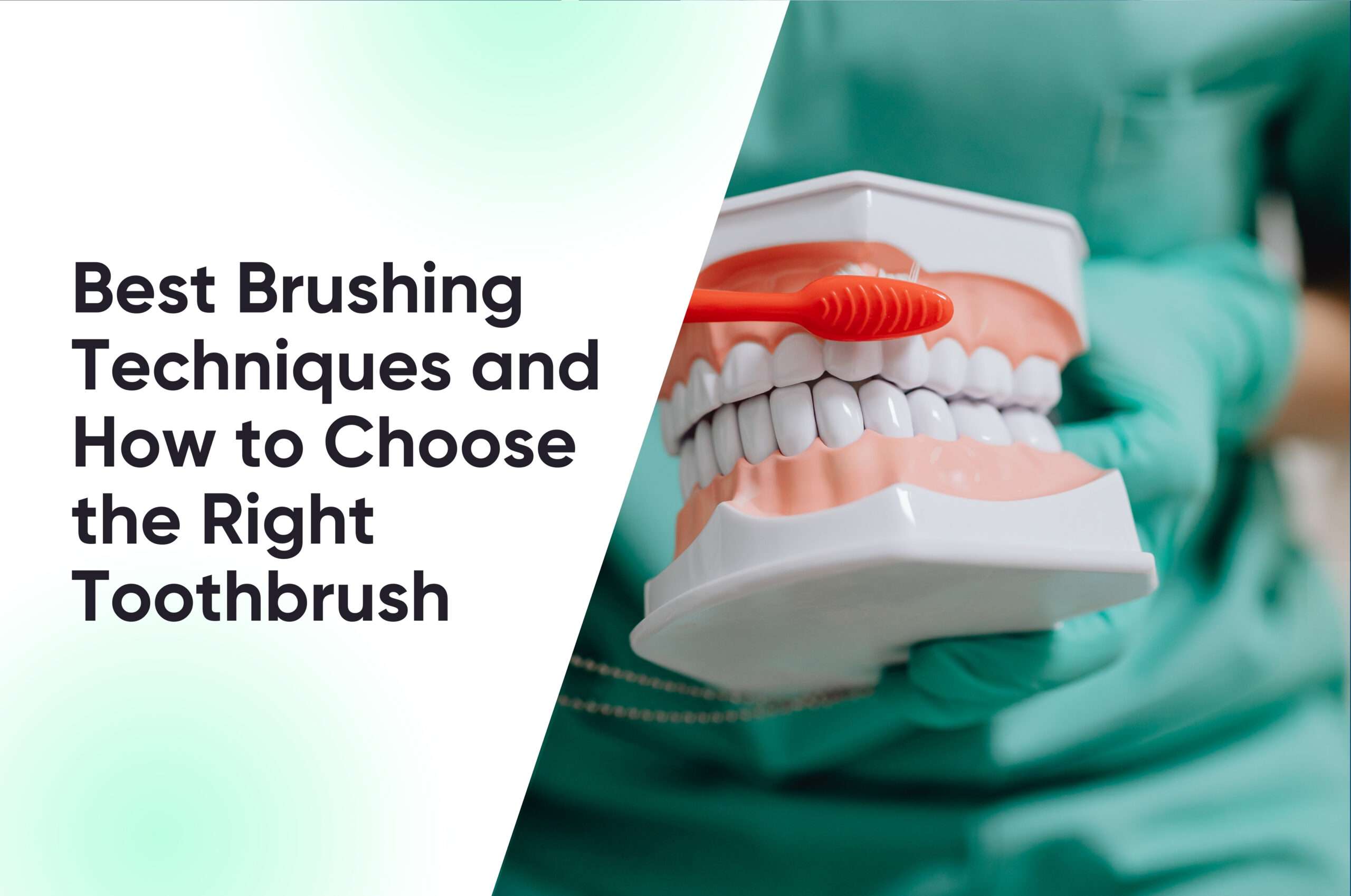
  • Best Brushing Techniques and How to Choose the Right Toothbrush 

    Best Brushing Techniques and How to Choose the Right Toothbrush 

    Best Brushing Techniques and How to Choose the Right Toothbrush 

    Best Brushing Techniques and How to Choose the Right Toothbrush 

    Good oral health begins with a simple habit: brushing your teeth. While it seems straightforward, most people either brush incorrectly, use the wrong toothbrush, or rush through the process. Over time, this can lead to plaque buildup, gum disease, cavities, and bad breath.

    Dentists worldwide emphasize two fundamentals: the right brushing technique and the right toothbrush.

    Pairing these correctly ensures healthier gums, stronger teeth, and fewer dental visits.
    In this blog, we’ll explore the best brushing techniques, how to choose the right toothbrush, common mistakes to avoid, and situations where visiting a dentist at Beyond Smiles Dental Clinic can make all the difference.

    Why Proper Brushing Matters

    Brushing your teeth isn’t just about fresh breath — it’s about preventing serious oral health problems. Correct brushing:

    • Removes plaque and food particles before they harden into tartar.
    • Protects against cavities and gum disease.
    • Keeps your breath fresh and your smile bright.
    • Reduces the risk of tooth sensitivity and enamel erosion.

    According to the American Dental Association (ADA), brushing twice a day for two minutes with fluoride toothpaste is essential for optimal oral health.

    Best Brushing Techniques (Step by Step)

    Different brushing techniques suit different oral needs. Here are the most recommended ones:

    1. The Modified Bass Technique (Most Recommended by Dentists)

    • Place your toothbrush at a 45-degree angle to your gumline. 
    • Use short, gentle strokes in a back-and-forth motion. 
    • Focus on cleaning both teeth and gum margins. 
    • Helps remove plaque under the gumline and prevents gingivitis. 

    Best for: Most adults, especially those prone to gum problems.

    2. The Fones Technique (Circular Brushing)

    • Hold the toothbrush at a right angle.
    • Use gentle circular motions over teeth and gums.
    • Easy for children to learn.

    3. The Stillman’s Technique

    • Place bristles at a 45-degree angle against gums.
    • Use a gentle sweeping motion from gum to tooth edge.
    • Focuses more on gum stimulation than plaque removal.

    Best for: People with gum recession.

    4. The Charter’s Technique

    • Position bristles at a 45-degree angle toward the chewing surface.
    • Vibrate brush gently in short strokes.
    • Cleans around braces, orthodontic wires, and dental implants.

    Best for: Patients with braces, bridges, or dental implants.

    General Brushing Tips:

    • Brush for at least 2 minutes twice daily.
    • Don’t forget the inner surfaces of teeth.
    • Brush your tongue to reduce bacteria and bad breath.
    • Avoid brushing immediately after acidic foods — wait 30 minutes.

    How to Choose the Right Toothbrush

    Choosing the right toothbrush is just as important as brushing correctly. The right toothbrush helps remove plaque efficiently, protects your gums, and prevents enamel damage. Here’s what to consider when selecting the perfect toothbrush for your oral health:

    1. Manual vs. Electric Toothbrushes

    Manual Toothbrushes:

    • Affordable and widely available.
    • Effective if used with proper brushing techniques, like the Modified Bass or Fones technique.
    • Requires consistent brushing habits and correct pressure to prevent gum damage.
    • Comes in different bristle types, head sizes, and handle designs.

    Electric Toothbrushes:

    • Powered by oscillating, rotating, or sonic movements, making it easier to remove plaque.
    • Often more effective at reaching hard-to-clean areas, like behind molars or along the gumline.
    • Built-in timers ensure you brush for the recommended 2 minutes.
    • Pressure sensors prevent over-brushing that could damage enamel or gums.
    • Ideal for people with braces, implants, limited dexterity, or sensitive teeth.
    • Rechargeable or battery-operated, with replaceable heads every 3–4 months.

    Tip: Many dentists, including those at Beyond Smiles Dental Clinic, recommend electric toothbrushes for patients who struggle to brush effectively with manual brushes.

    2. Bristle Type

    • Soft Bristles: Most recommended — gentle on enamel and gums, yet effective at removing plaque.
    • Medium or Hard Bristles: Can cause enamel erosion and gum recession if used incorrectly.

    3. Toothbrush Head Size

    • Choose a smaller head to reach tight spaces and back molars easily.
    • Large brush heads may miss hard-to-reach areas, leaving plaque behind.
    • For children, use appropriately sized heads to fit their smaller mouths.

    4. Handle Grip & Design

    Look for a toothbrush with a comfortable grip and non-slip handle for better control.
    Angled handles can help reach back teeth and clean difficult areas more effectively.
    For electric toothbrushes, ergonomic handles with easy-to-use buttons improve brushing consistency.

    5. Replace Your Toothbrush Regularly

    Every 3 months or sooner if bristles fray.

    Replace immediately after an illness to prevent reinfection.

    Worn bristles reduce cleaning efficiency and can damage gums.

    6. ADA Seal and Dentist Recommendations

    Look for the ADA (American Dental Association) Seal of Approval or a dentist-recommended toothbrush.

    Brushing with a verified toothbrush ensures quality, safety, and effectiveness.

    Dentists at Beyond Smiles can guide patients on the best toothbrush type for sensitive teeth, braces, implants, or gum issues.

    Summary: Choosing the Right Toothbrush

    • Electric or manual? Electric brushes are generally more effective and user-friendly, but manual brushes work if used correctly.
    • Bristle type: Soft is safest.
    • Head size: Small for thorough reach.
    • Handle & comfort: Must feel secure in your hand.
    • Replacement: Every 3 months or after illness.
    • Professional guidance: Ask your dentist for personalized recommendations.

    Selecting the right toothbrush, combined with proper brushing techniques, is essential for maintaining oral health, reducing cavities and gum disease, and is one of the key Tips to Maintain Oral Health and Skip Unnecessary Dental Visits, while keeping your smile bright and healthy.


    Extra Brushing Tips for Maximum Oral Health

    • Always use fluoride toothpaste for cavity protection.
    • Pair brushing with daily flossing to remove food between teeth.
    • Rinse with a fluoride or antibacterial mouthwash.
    • Brush before bed — skipping night brushing is the biggest mistake.

    Common Brushing Mistakes to Avoid

    Even with the best toothbrush, poor habits can harm your teeth.

    • Brushing too hard → causes enamel wear and gum recession.
    • Using the wrong technique → leaves plaque behind.
    • Skipping areas → especially back molars and inner surfaces.
    • Brushing too quickly → less than 1 minute is ineffective.
    • Not changing toothbrush → old bristles don’t clean properly.

    When to See a Dentist About Brushing Issues

    Home care is essential, but some signs indicate the need for professional help:

    • Bleeding gums even with gentle brushing.
    • Tooth sensitivity that persists.
    • Chronic bad breath despite good brushing.
    • Plaque buildup or yellow stains not removed by brushing.
    • Difficulty brushing with braces or implants.

    Beyond Smiles Dental Clinic, our dentists demonstrate personalized brushing techniques, recommend the best toothbrush for your needs, and provide preventive care to stop problems before they worsen.

    Beyond Smiles Dentist-Recommended Care

    Beyond Smiles Dental Clinic (Indiranagar, Koramangala, Kanakapura Road), we believe brushing is the foundation of oral health. But brushing alone may not always be enough.

    Our dental experts can help with:

    • Professional cleaning (scaling & polishing)
    • Demonstrations of the right brushing methods for kids, braces, and seniors
    • Advice on the best toothbrush type for your unique needs
    • Treatment of sensitivity, gum bleeding, or enamel wear caused by brushing mistakes.

    Find Your Nearest Beyond Smiles Clinic

    Koramangala – 6th Block Beyond Smile Dental Clinic

    Call – +91 8431493475
    Address: WJPF+285, KHB Colony, 6th Block, Koramangala, Bengaluru, Karnataka 560095

    Koramangala – 7th Block Beyond Smile Dental Clinic

    Call: +91 98867 24383

    Address: #358, 1st Floor, 1st Main Road, 7th Block, Koramangala, Bengaluru, Karnataka 560095

    Indiranagar – Beyond Smile Dental Clinic

    Call – +91 76248 65553

    Address: 285, 6th Cross Rd, near Indiranagar, Binnamangala, Hoysala Nagar, Indiranagar, Bengaluru, Karnataka 560038

    Kanakapura Road – Beyond Smile Dental Clinic

    Call – +91 98867 24383

    Address: 69, Shivaganga Spatica, 3rd Main Rd, Kanakapura Main Rd, Manjunathnagar, Raghuvanahalli, Subramanyapura, Bengaluru, Karnataka 560109

    Conclusion

    Brushing may feel routine, but the right technique and toothbrush can make the difference between a healthy smile and dental problems. Avoid common mistakes, use dentist-approved methods, and choose a brush that fits your needs.
    And remember — brushing is just the first step. Regular dental visits ensure that hidden problems don’t compromise your oral health.

    Frequently Asked Questions (FAQs)

    1.What is the best brushing technique recommended by dentists?

    The Modified Bass technique is widely recommended. It involves holding your toothbrush at a 45-degree angle to the gumline and using gentle back-and-forth strokes to remove plaque without damaging gums.

    2. How often should I replace my toothbrush?

    Replace your toothbrush every 3 months, or sooner if the bristles are frayed. After illness, it’s also best to use a new toothbrush to avoid reinfection.

    3. Should I use a manual or electric toothbrush?

    Both can be effective. Electric toothbrushes often remove more plaque and are easier for people with braces, implants, or limited dexterity. Manual brushes work well if proper techniques are followed.

    4. Can brushing too hard damage my teeth?

    Yes. Brushing too hard can wear down enamel, irritate gums, and cause gum recession. Always use gentle pressure and soft-bristled brushes.

    5. How do I choose the right toothbrush for my needs?

    Consider bristle softness (soft is safest), head size (small for hard-to-reach areas), handle comfort, and ADA or dentist approval. Electric toothbrushes can help if you need extra guidance or consistency.

    6. When should I visit a dentist regarding brushing habits?

    Visit a dentist if you notice:

    • Bleeding or swollen gums
    • Persistent tooth sensitivity
    • Chronic bad breath
    • Plaque or tartar buildup that brushing cannot remove

    Beyond Smiles Dental Clinic provides expert guidance on brushing techniques, toothbrush selection, and preventive care.

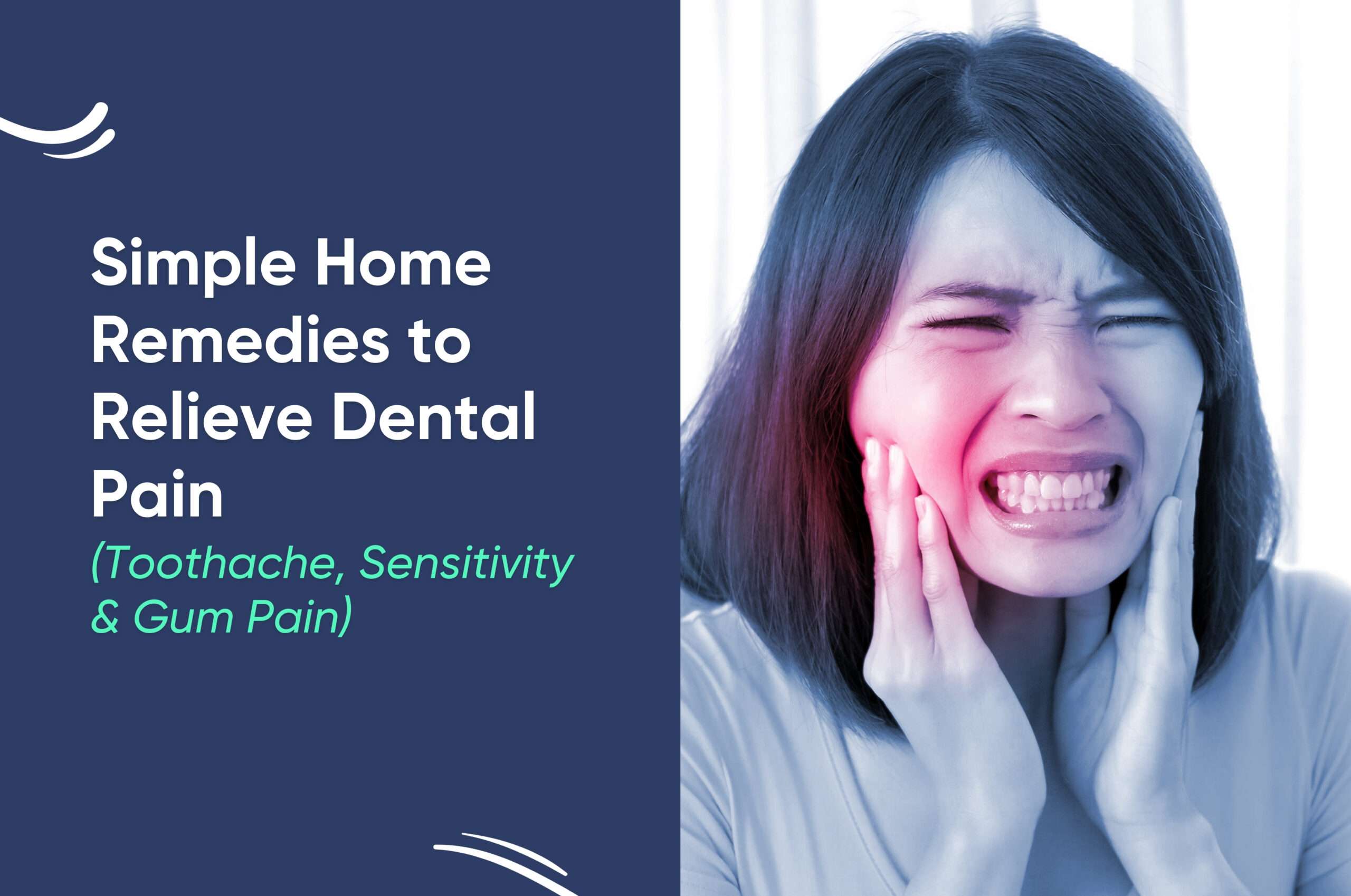
  • Simple Home Remedies to Relieve Dental Pain (Toothache, Sensitivity & Gum Pain) 

    Simple Home Remedies to Relieve Dental Pain (Toothache, Sensitivity & Gum Pain) 

    Simple Home Remedies to Relieve Dental Pain (Toothache, Sensitivity & Gum Pain) 

    Simple Home Remedies to Relieve Dental Pain (Toothache, Sensitivity & Gum Pain) 

    Oral health issues like toothaches, gum pain, sensitivity, and bad breath are extremely common. While regular brushing, flossing, and dental checkups are the best preventive measures, there are times when sudden discomfort strikes at home — often at night or when a dental visit isn’t immediately possible. 

    That’s where home remedies for common dental problems can provide temporary relief until you see a dentist. In this guide, we’ll explore the best natural remedies for everyday oral health issues, when to use them, and when it’s important to seek professional dental care at Beyond Smiles Dental Clinic. 

    Home Remedies for Toothaches

    A toothache can be caused by cavities, infections, gum disease, or even food lodged between teeth. While only a dentist can identify and treat the root cause, these remedies may provide temporary relief: 

    • Saltwater Rinse – Mix half a teaspoon of salt in warm water and rinse your mouth. This helps reduce inflammation and kill bacteria. 
    • Cold Compress – Applying an ice pack on the cheek reduces swelling and numbs pain. 
    • Clove Oil – Contains eugenol, a natural anesthetic. Dab a small amount on a cotton ball and apply to the affected tooth. 

    Important: Persistent or severe toothache is usually a sign of cavities or infection that needs urgent treatment. Visit Beyond Smiles if pain continues for more than 24 hours. 

    Home Remedies for Tooth Sensitivity

    Tooth sensitivity occurs when enamel wears down, exposing dentin. It can also be caused by gum recession or cracked teeth. Remedies include: 

    • Desensitizing Toothpaste – Use toothpaste designed for sensitive teeth. 
    • Fluoride Rinse – Strengthens enamel and reduces sensitivity. 
    • Green Tea Rinse – Its antioxidants soothe gums and reduce inflammation. 

    When to See a Dentist: If sensitivity lingers or worsens, it may indicate enamel erosion, cavities, or gum disease requiring professional care. 

    Home Remedies for Gum Pain and Swelling

    Swollen or painful gums are often linked to gingivitis, infections, or irritation from food particles. Try these remedies: 

    • Saltwater Rinse – Reduces bacteria and inflammation. 
    • Turmeric Paste – Turmeric has antibacterial and anti-inflammatory properties. Apply a paste directly to gums. 
    • Aloe Vera Gel – Naturally soothes and heals swollen gums. 

    Dental Visit Needed: Bleeding, persistent gum pain, or pus around gums can signal gum disease. Beyond Smiles provides professional scaling and gum treatments to stop progression. 

    Natural Remedies for Bad Breath (Halitosis)

    Bad breath may be temporary (due to strong foods) or chronic (caused by gum disease or decay). Remedies include: 

    • Hydration – Drink plenty of water to wash away bacteria. 
    • Chewing Fresh Herbs – Parsley, mint, or basil neutralize odors. 
    • Oil Pulling – Swishing coconut oil for 10–15 minutes can reduce bacteria. 

    When to See a Dentist: If bad breath persists despite home care, it may be linked to hidden decay, gum disease, or other dental problems. 

    Home Remedies for Mouth Ulcers

    Painful mouth ulcers can result from stress, injury, or nutritional deficiencies. Relief options: 

    • Honey – Natural antibacterial and soothing properties. 
    • Coconut Oil – Helps reduce irritation and promotes healing. 
    • Ice Chips – Numb pain temporarily. 

    Professional Advice: Frequent ulcers may indicate an underlying health issue — consult your dentist for guidance. 

    Remedies for Stained or Yellow Teeth

    Everyone wants a bright smile, but certain foods, drinks, and habits stain enamel. Natural remedies include: 

    • Baking Soda & Hydrogen Peroxide Paste – Mildly abrasive and whitening. 
    • Apple Cider Vinegar (Diluted) – Removes surface stains (use sparingly to avoid enamel erosion). 
    • Crunchy Fruits & Veggies – Apples, carrots, celery act like natural scrubbers.Safe Whitening at Beyond Smiles: For long-lasting results without harming enamel, professional teeth whitening is the safest option. 

    Tip: Combining these remedies with the Best Brushing Techniques and How to Choose the Right Toothbrush ensures better stain removal and overall oral health. 

    Remedies for Jaw or Tooth Grinding (Bruxism) Pain

    Grinding often happens at night, leading to sore jaws or worn teeth. Relief strategies: 

    • Warm Compress – Relaxes jaw muscles. 
    • Stress Management – Since grinding is stress-linked, try meditation or breathing exercises. 
    • Mouthguards (DIY not advised) – Over-the-counter guards may help, but custom dental guards from Beyond Smiles offer real protection. 


    When Home Remedies Are Not Enough

    While these remedies offer temporary relief, they do not cure the underlying issue. 
    Seek dental care immediately if you notice: 

    • Severe toothache lasting more than 1–2 days 
    • Swollen face or jaw 
    • Persistent bleeding gums 
    • Loose teeth 
    • Chronic bad breath 
    • Sensitivity worsening over time 


    Beyond Smiles Dental Clinic — Your Partner in Oral Health 

    Beyond Smiles Dental Clinic (Indiranagar, Koramangala, Kanakapura Road), we provide advanced treatments for toothaches, gum issues, sensitivity, and cosmetic concerns. Our expert team uses modern technology to ensure painless, effective, and affordable care. 

    Nearest Beyond Smiles Clinic 

    Koramangala – 6th Block Beyond Smile Dental Clinic 

    Call – +91 8431493475 
    Address: WJPF+285, KHB Colony, 6th Block, Koramangala, Bengaluru, Karnataka 560095 

    Koramangala – 7th Block Beyond Smile Dental Clinic 

    Call: +91 98867 24383 

    Address: #358, 1st Floor, 1st Main Road, 7th Block, Koramangala, Bengaluru, Karnataka 560095 

    Indiranagar – Beyond Smile Dental Clinic 

    Call – +91 76248 65553 

    Address: 285, 6th Cross Rd, near Indiranagar, Binnamangala, Hoysala Nagar, Indiranagar, Bengaluru, Karnataka 560038 

    Kanakapura Road – Beyond Smile Dental Clinic 

    Call – +91 98867 24383 

    Address: 69, Shivaganga Spatica, 3rd Main Rd, Kanakapura Main Rd, Manjunathnagar, Raghuvanahalli, Subramanyapura, Bengaluru, Karnataka 560109 


    Final Thoughts 

    Home remedies can bring comfort and help you manage sudden dental discomfort, but they are not substitutes for professional care. Dental problems often progress silently — so early diagnosis is key. 

    Rely on these natural remedies for temporary relief, but trust Beyond Smiles Dental Clinic for lasting oral health solutions and a confident smile. 


    Frequently Asked Questions (FAQs) About Home Remedies for Dental Problems 

    1. Can saltwater cure toothache permanently?

    No. Saltwater rinse helps reduce swelling, bacteria, and irritation, but it does not treat the root cause like cavities or infections. A dentist must examine the tooth for permanent relief. 


    1. Is clove oil safe for toothache?

    Yes, clove oil is a natural anesthetic and can temporarily numb pain. However, it should be used in small amounts and never swallowed. For recurring pain, consult a dentist at Beyond Smiles. 


    1. What is the fastest home remedy for gum swelling?

    A warm saltwater rinse is the quickest way to reduce gum swelling. Aloe vera gel and turmeric paste can also soothe inflammation. If swelling persists for more than 2 days, seek dental treatment. 


    1. How can I naturally whiten my teeth?

    Baking soda, hydrogen peroxide (mild paste), and crunchy fruits like apples can remove surface stains. For long-lasting and safe whitening, professional teeth whitening at a dental clinic is recommended. 


    1. Can oil pulling replace brushing?

    No. Oil pulling with coconut oil helps reduce bacteria and freshen breath, but it cannot replace brushing and flossing. It should only be used as a supportive practice. 


    1. Are home remedies enough for sensitive teeth?

    Home remedies like green tea rinses or desensitizing toothpaste can help, but if sensitivity worsens, it may be a sign of enamel erosion or gum disease. Professional care is essential. 


    1. When should I see a dentist instead of using home remedies?

    Visit a dentist immediately if you have: 

    • Severe tooth pain lasting more than 24–48 hours 
    • Swollen face or jaw 
    • Persistent bleeding gums 
    • Loose teeth 
    • Chronic bad breath 
  • Best Foods for Strong Teeth: 7 Top Picks and What to Avoid

    Best Foods for Strong Teeth: 7 Top Picks and What to Avoid

    Best Foods for Strong Teeth: 7 Top Picks and What to Avoid

    Best Foods for Strong Teeth: 7 Top Picks and What to Avoid

    A healthy smile is not just about brushing and flossing twice a day. The food you eat every day plays a crucial role in strengthening your teeth and protecting your gums. Just like your body needs a balanced diet to stay fit, your mouth also depends on certain nutrients to stay cavity-free, strong, and healthy.

    In this article, we’ll explore the best foods for strong teeth and gums, the foods that harm your oral health, and when you may need to consult a dental professional like Beyond Smiles Dental Clinic for preventive or corrective care.


    Why Food Choices Affect Oral Health
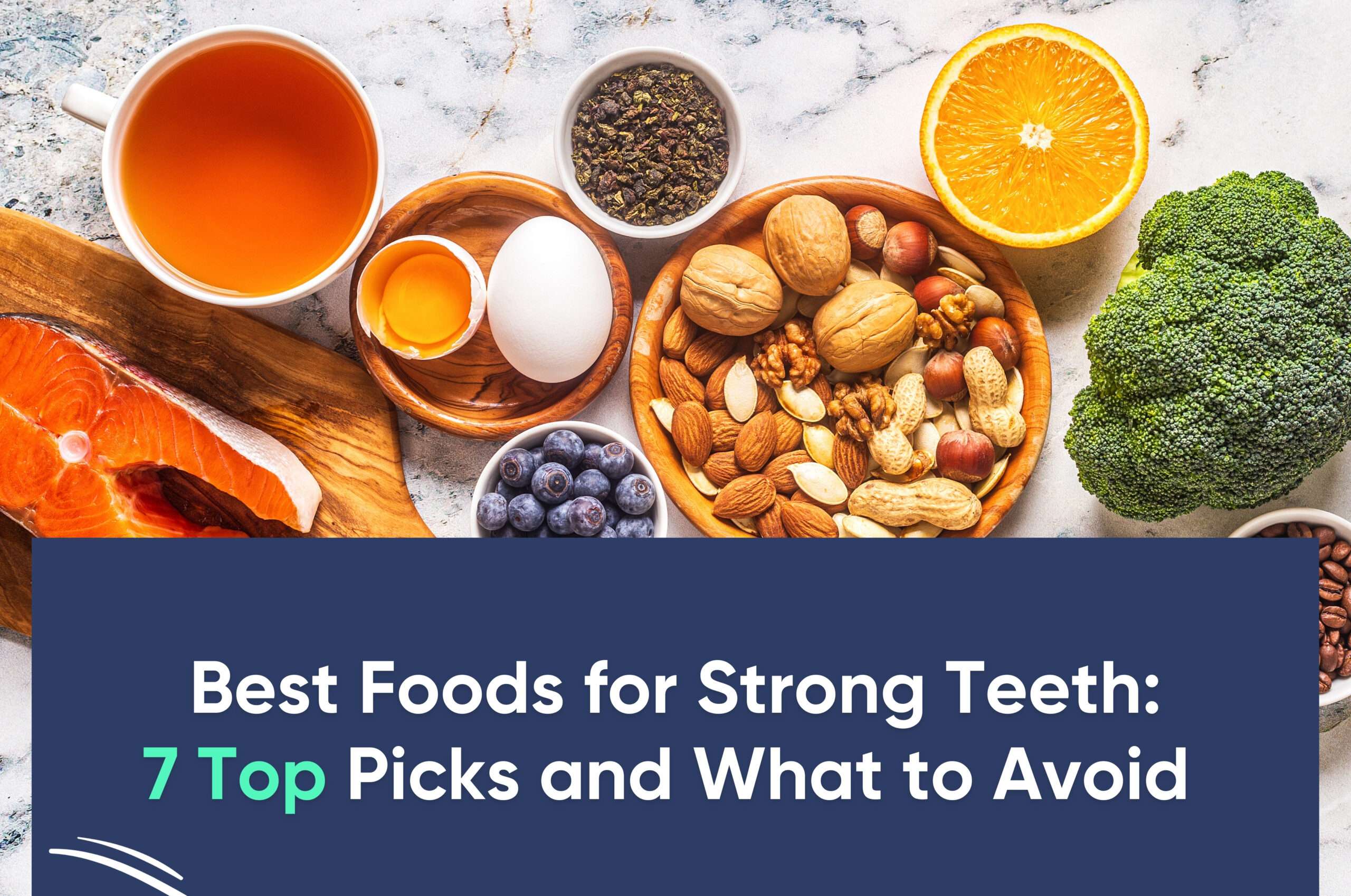
    When you eat, food particles and sugars interact with bacteria in your mouth to produce acids. These acids weaken enamel, increase plaque formation, and irritate gums. At the same time, nutrient-rich foods like calcium, Vitamin D, and antioxidants protect and rebuild enamel, reduce inflammation, and keep gums strong.


    Best Foods for Strong Teeth and Healthy Gums
    Let’s look at the foods that naturally support dental health.

    1. Dairy Products: Milk, Cheese, Yogurt
      • Dairy products are loaded with calcium, phosphorus, and Vitamin D, all of which help remineralize teeth and strengthen enamel.
      • Bonus: Cheese boosts saliva production, which helps neutralize acids in the mouth. Yogurt contains probiotics that promote healthy bacteria, which fight gum disease.
      • How to Consume:
        • Add a glass of milk to breakfast.
        • Snack on a small cube of cheese after meals—it acts like a natural “mouth cleanser.”
        • Choose plain yogurt over sweetened versions to avoid excess sugar.

    2. Leafy Greens: Spinach, Kale, Lettuce
      • Why They’re Good: Leafy greens are rich in calcium for enamel strength and folic acid, which reduces gum inflammation and strengthens gum tissue.
      • Bonus: Low in calories but high in fiber, they also clean your teeth while chewing.
      • How to Consume:
        • Toss spinach or kale into salads or smoothies.
        • Add greens to wraps and sandwiches for a daily boost.

    3. Crunchy Fruits and Vegetables: Apples, Carrots, Celery
      • Why They’re Good: The natural crunch scrapes away plaque and stimulates saliva production, which reduces cavity risk. They’re also packed with vitamins like Vitamin C, which is essential for gum health.
      • Bonus: Chewing raw fruits and vegetables massages gums and strengthens them.
      • How to Consume:
        • Keep carrot sticks or apple slices as a mid-day snack.
        • Replace sugary desserts with crunchy fruits for a healthy, teeth-friendly option.

    4. Nuts and Seeds: Almonds, Walnuts, Sesame Seeds
      • Why They’re Good: Nuts are rich in calcium, magnesium, and protein, which are essential for teeth and bone strength. Walnuts contain omega-3 fatty acids that reduce gum inflammation.
      • Bonus: Chewing nuts stimulates saliva, helping neutralize harmful acids.
      • How to Consume:
        • Sprinkle sesame seeds on salads or stir-fry.
        • Snack on a handful of raw almonds or walnuts.

    5. Green Tea and Herbal Teas
      • Why They’re Good: Green tea contains polyphenols and antioxidants that kill cavity-causing bacteria and reduce gum swelling. Herbal teas like chamomile soothe inflammation.
      • Warning: Avoid adding sugar, as it cancels out the benefits.
      • How to Consume:
        • Drink a cup of unsweetened green tea between meals.
        • Use it as a healthy alternative to sugary soft drinks.

    6. Fatty Fish: Salmon, Mackerel, Tuna
      • Why They’re Good: Fatty fish is packed with Vitamin D and omega-3 fatty acids, which support calcium absorption and reduce gum disease risk.
      • Bonus: Omega-3s have anti-inflammatory effects, making gums less prone to bleeding.
      • How to Consume:
        • Include salmon or mackerel in meals twice a week.
        • Choose grilled or baked fish instead of fried for maximum health benefits.

    7. Water
      • Why It’s Good: Water rinses away food particles, dilutes acids, and keeps the mouth hydrated. Fluoridated water also strengthens enamel naturally.
      • Bonus: Unlike juices and sodas, it doesn’t stain or harm teeth.
      • How to Consume:
        • Drink at least 8 glasses daily.
        • Rinse your mouth with water after eating sugary or acidic foods.


    Foods That Can Harm Teeth and Gums

    Just as some foods help your oral health, others can weaken enamel, cause cavities, and damage gums. 

    1. Sugary Drinks: Soda, Energy Drinks, Packaged Juices
      • Why They’re Harmful: High sugar + acidity = enamel erosion, cavities, and staining.
      • Tip: If you must have them, use a straw and rinse with water afterward.

    2. Sticky Sweets: Candies, Gummies, Caramel
      • Why They’re Harmful: These cling to teeth for a long time, feeding bacteria that cause tooth decay.
      • Tip: Replace with sugar-free alternatives or brush soon after eating.

    3. Starchy Foods: Chips, White Bread, Pasta
      • Why They’re Harmful: Starches break down into sugars and stick between teeth, causing plaque buildup.
      • Tip: Opt for whole grains instead of refined starches.

    4. Acidic Foods and Drinks: Citrus, Vinegar, Pickles, Wine
      • Why They’re Harmful: Acids erode enamel and make teeth sensitive.
      • Tip: Don’t brush immediately after consuming acidic foods—wait 30 minutes.

    5. Alcohol
      • Why It’s Harmful: Alcohol dries the mouth, reducing saliva, and increasing cavity risk. 
      • Tip: Stay hydrated and limit intake. 

    6. Coffee and Tea (with Sugar)
      • Why They’re Harmful: They stain enamel, and added sugar encourages bacteria. 
      • Tip: Drink black coffee or green tea, and rinse your mouth after. 


    Balancing Your Diet for Better Oral Health

    • Pair acidic foods with neutralizing foods like cheese or nuts. 
    • Drink water after snacks and beverages. 
    • Limit frequent snacking—it increases acid attacks on teeth. 
    • Include a mix of calcium, Vitamin D, and Vitamin C-rich foods daily. 


    When Diet Alone Isn’t Enough

    Even with the best diet, sometimes you’ll need professional dental care. Visit a dentist if you notice: 

    • Tooth sensitivity that doesn’t go away 
    • Bleeding or swollen gums 
    • Frequent cavities despite good oral hygiene 
    • Stains or yellowing teeth 
    • Persistent bad breath 


    Beyond Smiles: Your Dental Health Partner

    At Beyond Smiles Dental Clinic (Koramangala, Indiranagar, Kanakapura Road), we focus on prevention and gentle care. Our services include: 

    • Preventive checkups & cleanings 
    • Gum disease treatments 
    • Teeth whitening & smile makeovers 
    • Restorative treatments tooth fillings and crowns 
    • Orthodontic and cosmetic dentistry 

    We guide patients not only with treatments but also with dietary counseling to help maintain oral health naturally


    Nearest Beyond Smiles Clinic

    Koramangala – 6th Block Beyond Smile Dental Clinic

    Call – +91 8431493475
    Address: WJPF+285, KHB Colony, 6th Block, Koramangala, Bengaluru, Karnataka 560095 

    Koramangala – 7th Block Beyond Smile Dental Clinic

    Call: +91 98867 24383 

    Address: #358, 1st Floor, 1st Main Road, 7th Block, Koramangala, Bengaluru, Karnataka 560095 

    Indiranagar – Beyond Smile Dental Clinic

    Call – +91 76248 65553 

    Address: 285, 6th Cross Rd, near Indiranagar, Binnamangala, Hoysala Nagar, Indiranagar, Bengaluru, Karnataka 560038 

    Kanakapura Road – Beyond Smile Dental Clinic

    Call – +91 98867 24383 

    Address: 69, Shivaganga Spatica, 3rd Main Rd, Kanakapura Main Rd, Manjunathnagar, Raghuvanahalli, Subramanyapura, Bengaluru, Karnataka 560109 


    Conclusion

    Food is medicine for your mouth. Eating calcium-rich dairy, leafy greens, crunchy fruits, nuts, and fish can strengthen teeth and gums, while limiting sugary drinks, sticky sweets, and acidic foods protects enamel.
    But diet isn’t everything. Regular dental checkups at Beyond Smiles Dental Clinic ensure your teeth stay strong, your gums stay healthy, and your smile stays confident.
    Book your preventive appointment today at Beyond Smiles, Koramangala.


    FAQs on Best Foods for Strong Teeth and Healthy Gums

    1. What foods are best for strong teeth?
      Dairy products like cheese and yogurt, leafy greens, nuts, crunchy fruits (like apples and carrots), fatty fish, and water are among the best foods to keep teeth strong and gums healthy.

    2. Which foods should I avoid for healthy teeth?
      Limit sugary drinks, candies, sticky sweets, starchy snacks, acidic foods, alcohol, and coffee/tea with sugar. These can erode enamel, cause cavities, and irritate gums.

    3. Can certain foods naturally whiten teeth?
      Yes. Crunchy fruits and vegetables like apples, celery, and carrots act like natural scrubbers, reducing surface stains. Dairy products also help neutralize acids and protect enamel brightness.

    4. Is coffee bad for your teeth and gums?
      Black coffee in moderation is fine, but frequent coffee (especially with sugar) can stain enamel and encourage bacteria growth. Rinse your mouth with water afterward to reduce staining.

    5. How does sugar damage teeth?
      Sugar feeds bacteria in the mouth, producing acids that wear down enamel. Over time, this leads to cavities, plaque buildup, and gum disease.

    6. Can I strengthen my teeth through diet alone?
      A balanced diet supports strong teeth, but it’s not enough on its own. Regular brushing, flossing, and professional dental checkups are essential for long-term oral health.

    7. When should I see a dentist even if I eat healthy foods?
      If you experience tooth sensitivity, bleeding gums, frequent cavities, or bad breath despite good oral care, it’s time to consult a dentist.
  • Tips to Maintain Oral Health and Skip Unnecessary Dental Visits 

    Tips to Maintain Oral Health and Skip Unnecessary Dental Visits 

    Tips to Maintain Oral Health and Skip Unnecessary Dental Visits 

    Tips to Maintain Oral Health and Skip Unnecessary Dental Visits

    Tips to Maintain Oral Health and Skip Unnecessary Dental Visits 

    Imagine living pain-free, flashing a confident smile, and never dreading a dental chair. While dental treatments are more advanced than ever, nothing beats the power of prevention. By adopting the right dental habits early, you can prevent dental problems and enjoy lifetime healthy teeth.

    This article explores simple, science-backed habits that can reduce your chances of cavities, gum disease, and costly treatments—keeping you away from the dentist’s drill as much as possible.

    Why Prevention Matters in Oral Health

    When it comes to oral care, prevention is always better than cure. A single root canal, dental implant, or advanced gum treatment can be expensive and sometimes painful. On the other hand, following a few consistent dental habits can keep your teeth strong for a lifetime.

    Oral health isn’t just about teeth—it’s linked to overall health. Studies show gum disease is connected to heart problems, diabetes, and even certain cancers. By practicing preventive dental care, you’re protecting more than just your smile.

    Daily Habits for a Lifetime of Healthy Teeth

    1. Brush Twice a Day – The Right Way

    Brushing may seem obvious, but how you brush makes all the difference. Use a soft-bristled toothbrush and fluoride toothpaste. Brush for at least 2 minutes twice daily, covering every surface of your teeth. Proper brushing removes plaque and bacteria—the root cause of most dental issues.

    Replace your toothbrush every 3 months or sooner if bristles fray.

    2. Flossing – The Overlooked Habit

    Many people skip flossing, but it’s essential for lifetime healthy teeth. Food particles stuck between teeth can’t be removed by brushing alone. Daily flossing prevents gum disease, cavities, and bad breath.

    What is Flossing?

    Flossing is a dental practice where you use a thin piece of string-like material (called dental floss) to clean between your teeth and along the gumline.

    Even if you brush twice daily, your toothbrush can’t always reach the tight spaces between teeth. That’s where food particles and plaque get stuck—and over time, this leads to cavities, gum disease, and bad breath.

    How to Floss Properly

    1. Take about 18 inches of dental floss and wrap most of it around your middle fingers, leaving a few inches to work with.
    2. Hold the floss tightly between your thumbs and index fingers.
    3. Gently slide the floss up and down between two teeth.
    4. Curve the floss into a “C” shape against one tooth and move it under the gumline.
    5. Repeat for all teeth, using a clean section of floss each time.

    Benefits of Flossing

    • Removes plaque and food particles between teeth.
    • Prevents gum disease (gingivitis).
    • Keeps breath fresh.
    • Supports lifetime healthy teeth when combined with brushing.

    Dentists recommend flossing once a day, preferably before bedtime.


    3. Limit Sugar & Acidic Foods

    Sugar feeds harmful bacteria, leading to cavities. Acidic drinks like soda, coffee, and energy drinks erode enamel, making teeth sensitive.

    • Reduce sugary snacks between meals.
    • Drink plenty of water after coffee or soda.
    • Rinse your mouth if brushing isn’t possible.

    Small dietary changes can prevent dental problems before they even start.

    4. Stay Hydrated & Chew Sugar-Free Gum

    Saliva is your mouth’s natural defense system—it washes away food particles and neutralizes acids. Staying hydrated boosts saliva production. Chewing sugar-free gum after meals helps clean teeth and reduce plaque buildup.

    5. Never Use Teeth as Tools

    Using teeth to open bottles, bite nails, or tear packets may seem harmless, but it can lead to cracks and long-term damage. Protect your teeth by using the right tools instead.


    Lifestyle Habits Beyond Oral Care

    Quit Smoking & Tobacco

    Smoking stains teeth, weakens gums, and increases the risk of oral cancer. Quitting tobacco is one of the most powerful steps you can take for lifetime healthy teeth.

    Maintain a Balanced Diet

    Calcium, vitamin D, and phosphorus strengthen teeth and bones. Include dairy, leafy greens, nuts, and fish in your diet. A strong diet supports strong teeth.

    Manage Stress

    Stress often causes teeth grinding (bruxism), which wears down enamel. Consider relaxation techniques, meditation, or even a night guard if needed.

    Regular Checkups – Your Safety Net

    Even with the best dental habits, regular checkups are essential. Visiting a trusted dental clinic in Bangalore ensures early detection of cavities, gum disease, or oral cancer—problems you might not notice on your own.

    At Beyond Smiles, our focus is on preventive dentistry. Our experienced team guides patients on daily dental habits, performs routine cleanings, and provides personalized care so your visits are stress-free and pain-free. By combining your efforts at home with professional care, you can truly keep dental issues away for a lifetime.

    Why Trust Beyond Smiles for Regular Checkups?

    Selecting the right dental clinic is an important choice for your family’s health. Here’s why so many families choose Beyond Smiles:

    • Affordable Care: With packages starting at just ₹799, we make quality dental care accessible without straining your budget.
    • Skilled Dentists: Our experienced team treats patients of all ages with professionalism, care, and a gentle touch.
    • Advanced Technology: From digital X-rays to ultrasonic scalers, we rely on modern equipment to ensure safe and effective treatments.
    • Comfort-Focused Environment: Dental visits don’t have to feel stressful. Our clinic is designed to keep both kids and adults relaxed.
    • Easy-to-Reach Location: Conveniently located for residents of Kanakapura Road, Indiranagar, Koramangala and nearby neighborhoods.

    Beyond Smiles for Regular Checkups Offers

    Find Your Nearest Beyond Smiles Clinic

    Koramangala – 6th Block Beyond Smile Dental Clinic

    Call – +91 8431493475
    Address: WJPF+285, KHB Colony, 6th Block, Koramangala, Bengaluru, Karnataka 560095

    Koramangala – 7th Block Beyond Smile Dental Clinic

    Call: +91 98867 24383

    Address: #358, 1st Floor, 1st Main Road, 7th Block, Koramangala, Bengaluru, Karnataka 560095

    Indiranagar – Beyond Smile Dental Clinic

    Call – +91 76248 65553

    Address: 285, 6th Cross Rd, near Indiranagar, Binnamangala, Hoysala Nagar, Indiranagar, Bengaluru, Karnataka 560038

    Kanakapura Road – Beyond Smile Dental Clinic

    Call – +91 98867 24383

    Address: 69, Shivaganga Spatica, 3rd Main Rd, Kanakapura Main Rd, Manjunathnagar, Raghuvanahalli, Subramanyapura, Bengaluru, Karnataka 560109


    Myth Busters 

    • Myth: If I brush daily, I don’t need a dentist.
      Truth: Even perfect brushing can’t remove hardened tartar. Professional cleanings are vital.
    • Myth: Only sweets damage teeth.
      Truth: Acidic foods, coffee, and even habits like grinding can harm your teeth.


    Conclusion

    Strong teeth and a confident smile don’t happen overnight—they’re built through consistent dental habits. Brushing, flossing, eating smart, and staying hydrated can prevent dental problems and keep your smile bright for a lifetime.

    But don’t forget—the key to lifetime healthy teeth is a balance between daily habits and professional guidance. At Beyond Smiles Dental Clinic Bangalore, we believe prevention is the best treatment. Start building your habits today and let us help you maintain a lifetime of pain-free smiles.


    FAQs

    1: Can good oral habits really prevent me from visiting the dentist?

    Yes, consistent oral care like brushing, flossing, and eating healthy foods can reduce dental problems. However, regular dental checkups are still essential for long-term oral health.

    2: What foods are best for strong teeth and gums?

    Foods rich in calcium (milk, cheese, yogurt), crunchy fruits and vegetables (apples, carrots), and leafy greens support strong teeth and healthy gums. Avoid sugary and acidic foods.

    3: How often should I brush and floss my teeth?

    Dentists recommend brushing at least twice a day and flossing once daily to remove plaque and food particles that brushing alone can’t reach.

    4: Can stress affect my dental health?

    Yes. Stress can cause teeth grinding (bruxism), gum issues, and even mouth ulcers. Managing stress through relaxation techniques helps maintain oral health.

    5: Are home remedies effective for dental problems?

    Some home remedies, like rinsing with salt water, can provide temporary relief. However, they are not a substitute for professional treatment if the problem persists.

    6: If I follow all these habits, do I still need regular dental checkups?

    Yes. Even with excellent oral hygiene, some issues can only be detected by a dentist. Beyond Smiles recommends a checkup every 6 months to prevent serious problems.

    7: What is the best way to choose the right toothbrush?

    A soft-bristled toothbrush with a comfortable grip is generally recommended. Electric toothbrushes can also be effective for thorough cleaning.

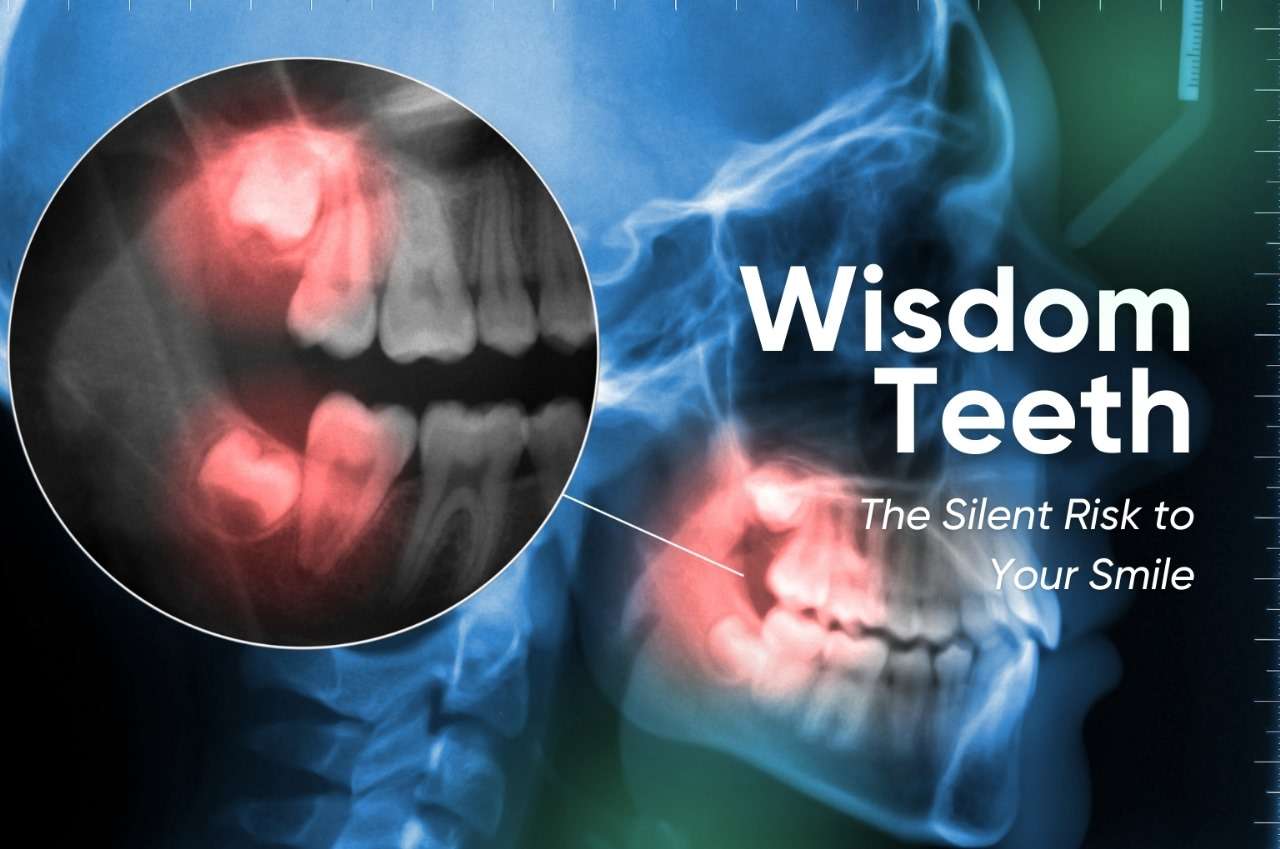
  • Wisdom Teeth: The Silent Risk to Your Smile

    Wisdom Teeth: The Silent Risk to Your Smile

    Wisdom Teeth: The Silent Risk to Your Smile

    Wisdom Teeth: The Silent Risk to Your Smile

    When it comes to oral health, prevention is always better than cure. Yet, one of the most overlooked dental issues is the growth of wisdom teeth. These third molars, usually appearing between the ages of 17 and 25, often remain unnoticed until they start causing trouble. What makes them especially risky is that impacted wisdom teeth can silently harm healthy molars — even without pain.

    At Beyond Smiles Dental Clinic in Koramangala, Indiranagar, and Kanakapura Road, we often see patients who only realize the problem when the damage has already advanced. This blog will help you understand why wisdom teeth are risky, what symptoms to watch out for, and why timely removal is the best solution.

    What Are Wisdom Teeth and Why Do They Cause Problems?

    Wisdom teeth are the last set of molars at the back of the mouth. In ancient times, they were useful for grinding coarse foods. However, with modern diets and smaller jaws, most people don’t have enough space to accommodate them.

    This lack of space often causes the teeth to:

    • Grow sideways (impaction)
    • Partially erupt through the gums
    • Remain trapped beneath the gum line

    Such misalignment can lead to significant dental issues if left untreated.

    Silent Risks of Impacted Wisdom Teeth

    Unlike cavities or gum disease that often cause early pain, wisdom teeth problems can remain hidden for years. Here’s how they can affect your oral health:

    1. Crowding of Teeth
      Impacted wisdom teeth can push against nearby molars, leading to misalignment of your entire dental arch. Even orthodontic results like braces can be undone.
    2. Damage to Healthy Molars
      The pressure from impacted teeth can erode the roots of adjacent molars, weakening them permanently.
    3. Hidden Infections
      Partially erupted wisdom teeth create a pocket where bacteria thrive, causing infections that spread silently.
    4. Cysts and Jaw Issues
      In rare cases, untreated impacted teeth can lead to cyst formation, damaging the jawbone and nerves.

    Symptoms You Shouldn’t Ignore

    Even though wisdom teeth problems are often silent, there are warning signs to watch for:

    • Swelling or tenderness at the back of the mouth
    • Jaw stiffness or pain when chewing
    • Persistent bad breath despite good oral hygiene
    • Bleeding gums near the molars
    • Recurring headaches or earaches

    If you notice any of these, it’s time to consult a wisdom tooth dentist in Bangalore.

    Real Patient Experience

    “I never felt any pain from my wisdom teeth until one day my dentist at Beyond Smiles showed me how they were pushing into my molars on an X-ray. I went for a painless extraction at their Indiranagar clinic, and the recovery was much easier than I imagined. I’m glad I didn’t wait for complications to start.” – Arjun K.

    Treatment at Beyond Smiles Dental Clinic

    At Beyond Smiles, we combine expertise with technology to ensure safe and comfortable wisdom tooth care.

    1. Detailed Diagnosis – We use advanced X-rays and 3D scans to identify impacted teeth before they cause problems.

    2. Painless Extractions – Our best dentists in Koramangala, Indiranagar, and Kanakapura Road specialize in gentle, minimally invasive procedures. Local anesthesia and modern equipment ensure comfort.

    3. Aftercare Support – We provide complete post-extraction care with recovery tips, medications, and follow-ups to ensure healing.

    4. Preventive Checkups – Even if your wisdom teeth aren’t causing pain, regular dental visits help monitor their growth and prevent hidden damage.


    Why Choose Beyond Smiles?

    • Multi-location clinics for easy access: Indiranagar, Koramangala, and Kanakapura Road
    • Experienced oral surgeons and dental specialists
    • Affordable and transparent pricing
    • A focus on patient comfort and education
    • Proven track record with happy patients across Bangalore

    Take Action Before It’s Too Late

    Wisdom teeth may seem harmless, but ignoring them can cause long-term dental damage. Don’t wait for pain to appear — take preventive action today.

    📍 Visit Beyond Smiles Dental Clinic at:

    📸 See real results & patient stories on Instagram: @beyondsmiles_dental_clinic

    👉 Book Your Appointment Today and safeguard your smile with expert care.

  • Stress and Oral Health: Surprising Ways Anxiety Affects Your Teeth

    Stress and Oral Health: Surprising Ways Anxiety Affects Your Teeth

    Stress and Oral Health: Surprising Ways Anxiety Affects Your Teeth

    Stress and Oral Health: Surprising Ways Anxiety Affects Your Teeth

    Stress and Oral Health: Surprising Ways Anxiety Affects Your Teeth

    Stress and oral health are deeply connected in today’s fast-paced world. From work deadlines to family responsibilities, anxiety often takes a toll not just on the mind but also on the body. One of the least talked about yet common effects of stress is its impact on dental health. Many people who visit Beyond Smiles Dental Clinic in Koramangala, Indiranagar, and Kanakapura Road are surprised to learn that their headaches, jaw pain, or worn-down teeth are linked to stress and teeth grinding. Let’s explore how stress silently harms your oral health and what you can do to protect your smile.

    The Connection Between Stress and Oral Health

    Stress doesn’t just make you feel mentally exhausted – it often manifests physically. One of the most common stress-related dental conditions is bruxism, which refers to unconscious clenching or grinding of teeth, especially during sleep.

    Patients who grind their teeth are usually unaware until symptoms like:

    • Worn or chipped teeth
    • Morning jaw pain
    • Frequent headaches
    • Tooth sensitivity
    • Clicking sounds in the jaw joint

    appear suddenly. By then, damage may already be significant.

    Stress and Teeth Grinding: A Silent Problem

    Bruxism is often triggered by anxiety and high-stress lifestyles. During stressful moments, the body tends to tighten muscles – including those in the jaw. Over time, this repetitive clenching wears down the enamel, the outer layer that protects your teeth.

    Without proper care, this condition can lead to:

    • Tooth fractures and loss of enamel
    • Increased risk of cavities due to weaker enamel
    • Gum recession caused by excessive force
    • Misalignment and bite problems

    This is why identifying stress and teeth grinding early is crucial.

    Jaw Pain and Headaches: The Hidden Signs

    Many patients come to Beyond Smiles complaining of:

    • Persistent jaw pain
    • Stiffness around the jaw joint (TMJ)
    • Regular headaches or migraines
    • Neck and shoulder tension

    These are often linked to bruxism. The temporomandibular joint (TMJ), which connects the jaw to the skull, becomes strained due to constant grinding. This creates discomfort that radiates beyond the mouth, affecting overall well-being.

    If you’re searching for a jaw pain dentist in Bangalore, our specialists at Beyond Smiles have years of experience in diagnosing and treating such cases effectively.

    Treatment Options at Beyond Smiles

    At Beyond Smiles Dental Clinic, we understand the connection between mental health and oral health. That’s why our approach goes beyond just fixing the teeth – we focus on long-term prevention and comfort.

    Here are some of the most effective treatments we offer for bruxism treatment in Bangalore:

    1. Custom Night Guards

    Night guards act as a protective barrier between your teeth while you sleep. They prevent direct tooth-to-tooth contact and reduce strain on the jaw joint. Unlike over-the-counter options, our custom-made guards fit perfectly and are more comfortable.

    2. Stress Management Counseling

    While we aren’t replacing your therapist, our dental experts guide patients on how reducing stress can improve oral health. Simple lifestyle changes like meditation, yoga, and exercise often make a big difference.

    3. Restorative Dentistry

    For patients with damaged teeth due to grinding, we offer solutions such as dental crowns, tooth fillings, and veneers. Our best dentists in Koramangala, Indiranagar, and Kanakapura Road specialize in restoring natural smiles with precision.

    4. TMJ Therapy

    For severe cases, we provide TMJ therapy to relieve pain and restore jaw function. This may include exercises, physiotherapy, or advanced dental appliances.

    Why Choose Beyond Smiles Dental Clinic?

    • Expertise Across Locations: Whether you’re in Koramangala, Indiranagar, or Kanakapura Road, Beyond Smiles is known for advanced dental care.
    • State-of-the-Art Technology: We use modern diagnostic tools to identify bruxism early.
    • Personalized Care: Every patient is unique – our treatment plans are tailored to your needs.
    • Real Patient Success Stories:

    “For months I had severe headaches and thought it was due to work stress. After visiting Beyond Smiles, Dr. Shobith Shetty diagnosed my bruxism and fitted me with a custom guard. Within weeks, my pain was gone, and I finally started sleeping better. Truly the best dentist in Indiranagar!” – Neha R.

    Tips to Protect Your Smile from Stress Damage

    • Avoid excessive caffeine or alcohol before bedtime
    • Practice relaxation techniques like deep breathing
    • Maintain a consistent sleep routine
    • Schedule regular dental checkups at Beyond Smiles
    • Don’t ignore early signs like jaw stiffness or tooth sensitivity

    Take Action Before It’s Too Late

    Bruxism and stress-related oral problems are often ignored until serious damage occurs. If you’re experiencing jaw pain, frequent headaches, or notice signs of teeth grinding, don’t wait.

    📍 Visit Beyond Smiles Dental Clinic at:

    📸 See real smile transformations on our Instagram: @beyondsmiles_dental_clinic

    👉 Book Your Appointment Today and protect your smile before stress takes it away.